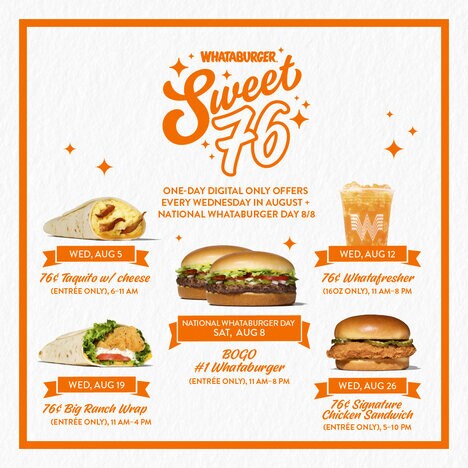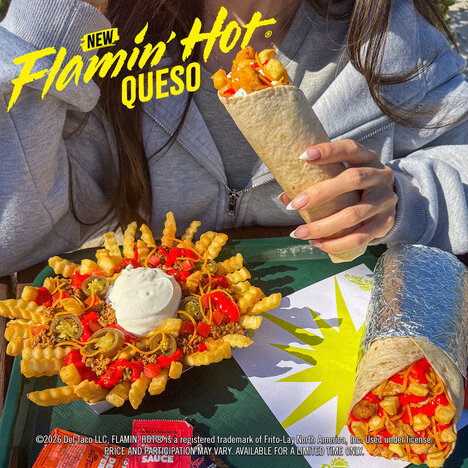
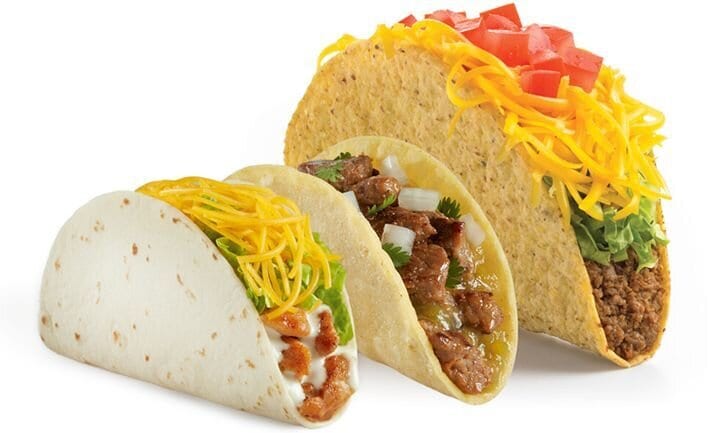
Del Taco is bringing back 'Tacoberfest,' giving taco fans a month of app-linked savings instead of a one-day coupon rush. The October promotion runs through the Del Yeah! Rewards App, where participating locations unlock rotating buy-one-get-one taco deals and a free taco with purchase on National Taco Day, October 6.
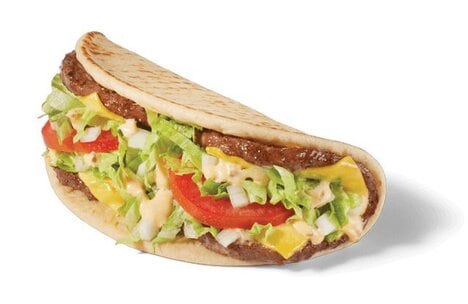
The opening offer centers on Street Tacos, letting guests choose grilled chicken or carne asada in the same early window. At the end of the run, the spotlight shifts to The Del Taco, a heftier crunchy-shell build with seasoned beef, cheddar, lettuce and tomatoes, so the promo starts with variety and finishes on a signature order.
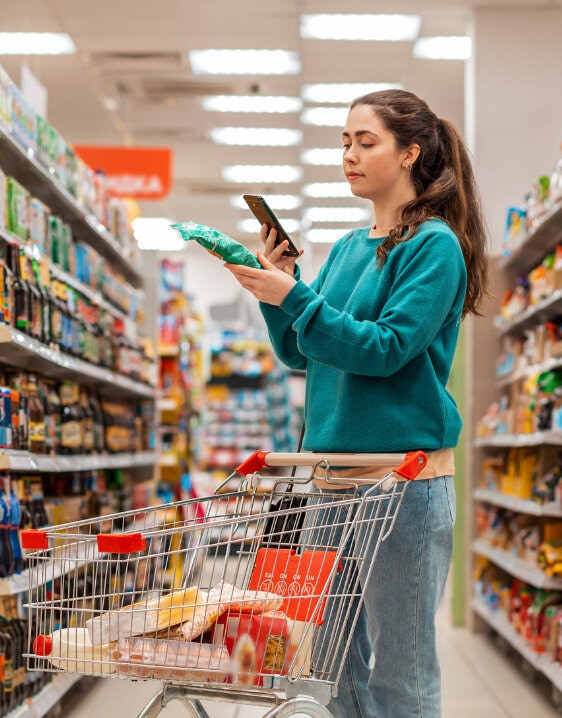
For shoppers, this means lower-cost taco runs spread across the month rather than one short burst tied to a holiday. It also nudges repeat visits through the app, where the best value sits behind rewards access instead of the regular menu board.
Image Credit: Restaurant Magazine | Restaurant News and Reviews
What's Driving This Trend
- App-gated Dining Deals
- Mobile-exclusive promotions concentrate value inside loyalty ecosystems, creating opportunities for restaurants to shift bargain-seeking traffic from broad coupons to owned digital channels.
- Month-long Food Holidays
- Extended promotional calendars transform single-day food events into repeat-visit campaigns, opening space for brands to build recurring engagement around seasonal cravings.
- Rotating Menu Incentives
- Sequential offers tied to different menu items encourage exploration beyond habitual orders, giving quick-service brands a way to test demand while sustaining customer attention.
Who This Affects Most
- Quick-service Restaurants
- Fast-food chains can use app-linked discounts to deepen loyalty participation while reducing reliance on mass-market promotions that lack customer data capture.
- Mobile Loyalty Platforms
- Rewards technology providers benefit as restaurants seek tools for timed offers, location participation, and personalized incentives within branded apps.
- Foodservice Marketing
- Campaign strategists gain new models for stretching holiday-driven demand into longer digital engagement cycles with measurable repeat purchase behavior.