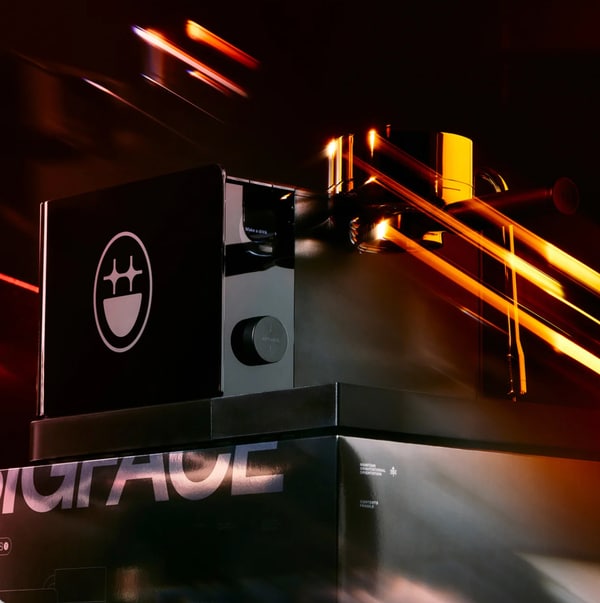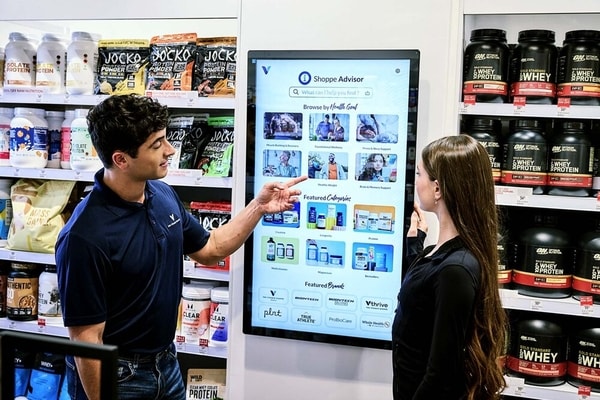

Andon Labs introduced Andon Market, an experimental retail storefront in San Francisco designed to test how an AI can run a real-world business, featuring an agent named Luna with a budget, corporate card and digital tool access. Luna was charged with end-to-end responsibilities including product selection, pricing, merchandising and procurement while humans handled physical setup and daily execution.
The project follows an earlier collaboration with Anthropic where an AI-operated vending machine was tested in The Wall Street Journal newsroom. Andon positioned the Market as a controlled experiment to evaluate autonomous decision-making in live commerce environments.
For consumers, the trial surfaces practical questions about reliability, safety and convenience when AI manages inventory, staffing and pricing. The findings could inform how retailers combine human labor and algorithmic control in future store formats.
Image Credit: Shutterstock AI
What Makes This Trend Stand Out
- AI-operated Commerce
- A shift toward storefronts run by AI agents could enable continuous, data-driven assortment and pricing adjustments that outpace traditional human-managed schedules.
- Autonomous Merchandising
- Algorithmic end-to-end control of product selection and in-store presentation may create novel models for dynamic merchandising and personalized inventory mixes.
- Hybrid Human-AI Labor Models
- Combining human execution with AI decision-making could redefine workforce roles and create new labor structures centered on oversight, exception handling and remote management.
Sectors Adopting This
- Retail
- Stores experimenting with autonomous agents may disrupt store formats and operating costs by enabling unmanned or lean-staffed locations with continuously optimized offerings.
- Supply Chain and Logistics
- Real-time AI procurement and inventory decisions have the potential to compress replenishment cycles and reshape distribution strategies around demand-responsive micro-fulfillment.
- Payments and Fintech
- Integrating AI agents with corporate cards and budget controls could give rise to programmable financial flows and automated vendor relationships that bypass traditional procurement frictions.