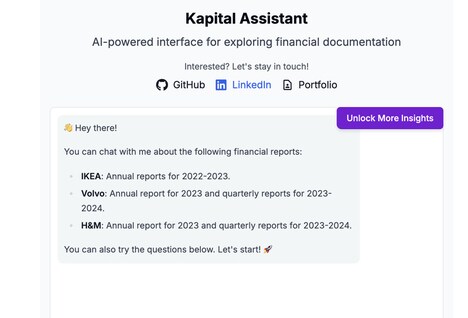
Credit Karma introduced an AI-powered financial assistant that retools the company’s credit-score roots into a broader money management service. The feature, presented by Natasha Madan at CES, uses more than 80,000 data points to deliver personalized guidance, featuring automated tax filing, pre-qualified product recommendations, and tailored next-best actions.
The assistant aggregates Credit Karma’s dataset across credit, taxes, savings, investments and debt to create a unified financial dashboard. It supports different engagement styles, from hands-off automation to guided workflows, and ties shorter-term actions to longer-term goal orchestration like credit-building via rent reporting.
For consumers, the product aims to simplify complex finances and convert scale into relevant, trust-driven experiences that encourage durable habits. Positioned against generic social advice, the assistant leverages personalization and credibility to help users move from credit maintenance toward wealth-building.
Image Credit: Credit Karma
Why This Trend Is Growing
- AI-powered Personalized Advisory
- Hyper-personalized AI advisors leveraging extensive datasets can supplant generic financial advice by delivering trust-driven, outcome-linked guidance tailored to individual goals.
- Unified Financial Health Dashboards
- A consolidated view of credit, taxes, savings, investments and debt enables holistic decision-making models that reframe products and services around lifetime financial trajectories.
- Automated Tax and Product Integration
- Seamless combination of automated tax filing with pre-qualified product recommendations creates pathways for embedded financial services that anticipate user needs across fiscal events.
Industries Being Reshaped
- Consumer Fintech
- Fintech platforms with rich behavioral and credit datasets stand to disrupt banking relationships by offering persistent, personalized financial assistants as the primary consumer touchpoint.
- Wealth Management
- Robo-advisory and wealth firms that incorporate dynamic, goal-oriented guidance could reposition investment advice around continuous life-stage orchestration rather than periodic portfolio rebalancing.
- Tax Preparation Services
- Tax firms integrating automated filing and contextual product recommendations may transform from seasonal preparers into year-round financial advisors shaping users' tax-aware financial strategies.