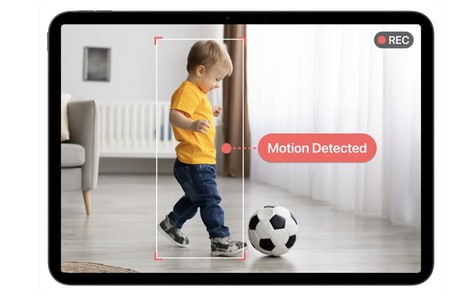
Unused computers can potentially be repurposed as security devices without the need to purchase dedicated camera hardware. twoghost AI is a software tool that turns a computer into a motion-tracking security camera, automatically detecting and recording activity involving people, pets, children, and other movement. The platform is designed to monitor footage and identify events without requiring users to manually review hours of recordings.
Users can also interact with their recorded videos through AI, allowing them to ask questions about what happened and receive customised breakdowns of events. These updates can be delivered through channels such as email and Slack, making it easier to keep track of activity remotely. By combining motion detection, video recording, and AI-powered video analysis, twoghost AI aims to provide a flexible alternative to traditional security camera setups.
Image Credit: twoghost AI
Key Themes Behind This Trend
- Repurposed Device Surveillance
- Unused laptops and desktops gaining second lives as security systems signals potential for low-cost monitoring models that reduce dependence on specialized hardware.
- Conversational Video Analytics
- AI-enabled questioning of recorded footage creates room for searchable security experiences that replace manual review with context-aware event summaries.
- Remote Activity Notifications
- Slack and email-based security updates reflect growing demand for workplace-style alerts that make home and small business monitoring more immediate and accessible.
Where This Applies
- Home Security
- Software-based camera alternatives broaden the market for affordable surveillance by turning existing household devices into intelligent monitoring tools.
- Artificial Intelligence
- Computer vision and natural language interfaces are expanding AI’s role from passive detection to interactive interpretation of everyday video data.
- Consumer Software
- Downloadable security utilities point to opportunities for subscription-based tools that add practical automation to devices consumers already own.