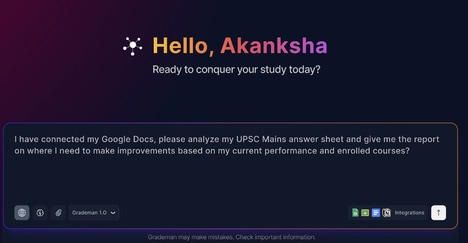

Bite-sized AI training is making professional development more accessible for educators by focusing on practical skills that can be applied directly in classrooms. Google is expanding its AI Educator Series with monthly modules that take less than 15 minutes and cover tasks such as automating parent emails, providing personalized student support with Gemini’s Guided Learning and improving research through Deep Research. Educators can also complete assessments to earn ISTE-aligned digital badges.
The format allows Google to encourage greater adoption of its AI ecosystem by showing educators how its tools fit into everyday teaching workflows. Short, on-demand modules can reduce barriers to professional development for time-constrained teachers while building familiarity with Gemini and other Google products. The September Badge-a-thon adds live instruction and peer participation, helping Google build an educator community that could support longer-term AI adoption across schools and higher education institutions.
Image Credit: Google
Why This Trend Is Growing
- Microlearning AI Upskilling
- Short, targeted training formats create room for scalable professional development platforms that fit into time-constrained workplace routines.
- Credentialed Tool Adoption
- Digital badges tied to practical software tasks can turn everyday product training into measurable proof of competency for institutions.
- Embedded Classroom Automation
- AI features integrated into routine teaching workflows signal new potential for productivity tools that reduce administrative friction in education.
Industries Being Reshaped
- Education Technology
- On-demand AI training expands the market for platforms that combine instructional content, assessments and classroom-ready software adoption.
- Professional Development
- Modular certification models introduce new pathways for employers and institutions to validate emerging skills without lengthy training programs.
- Artificial Intelligence Software
- Education-focused AI ecosystems can strengthen user loyalty by pairing practical use cases with guided learning and peer-based adoption channels.