
Global fintech company Nuvei has announced the successful completion of a live proof of concept for its new innovation — Nuvei Agentic Payments. This venture represents a significant step forward in the realm of autonomous digital commerce.
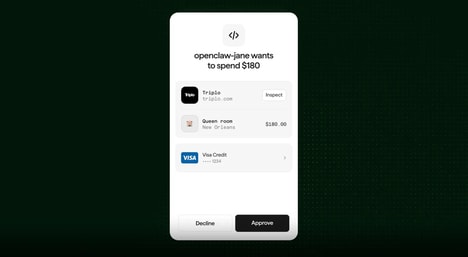
Nuvei conducted the testing in collaboration with Visa and other partners. The project demonstrated the first live in-agent purchase where a merchant’s artificial intelligence system executed a transaction on a shopper's behalf without requiring the user to leave the agent interface for a separate payment flow.
The strategy behind Nuvei Agentic Payments is to create a protocol-agnostic execution layer that any AI agent can utilize to initiate and complete payments, governed by consumer-defined parameters such as spending limits and approved merchant categories. The integration of robust safety features like a 'Know Your Agent' registry, transaction tokenization, and shopper-set guardrails provides a critical layer of trust and control.
Image Credit: Nuvei
Key Themes Behind This Trend
- Agentic Payments
- Autonomous checkout inside AI interfaces creates new commerce models where delegated purchasing can occur within shopper-defined limits and trusted agent credentials.
- Embedded Payment Flows
- Seamless transaction completion without redirecting users to external payment pages expands conversion potential across conversational, assistant-led, and enterprise AI environments.
- Programmable Spending Guardrails
- Consumer-controlled parameters such as merchant categories, spending caps, and tokenized authorization introduce safer frameworks for automated digital purchasing.
Where This Applies
- Fintech
- Protocol-agnostic payment infrastructure positions financial technology providers to support AI-native commerce while managing identity, risk, and transaction security.
- E-commerce
- Retailers gain access to agent-mediated purchasing experiences that can reduce checkout friction and personalize buying journeys through autonomous decision support.
- Cybersecurity
- Trust layers such as Know Your Agent registries, tokenization, and permission controls create demand for new security systems built around non-human transaction actors.