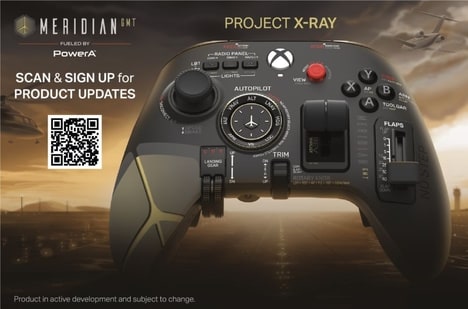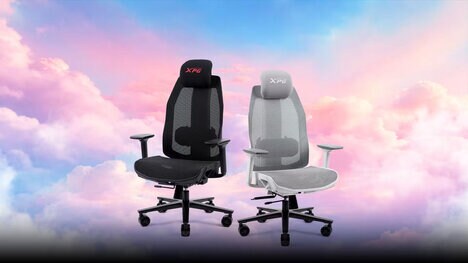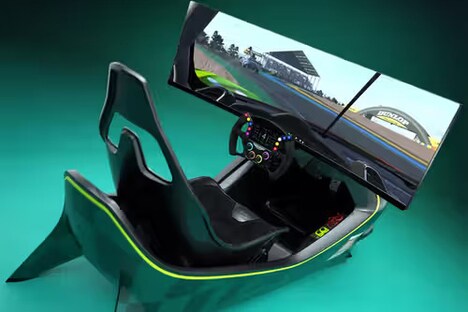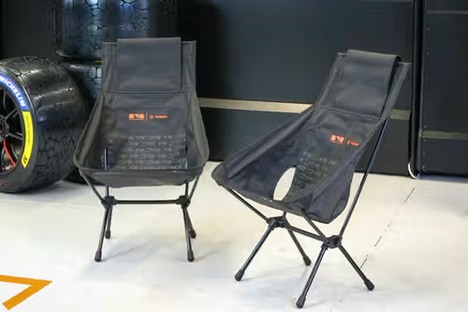
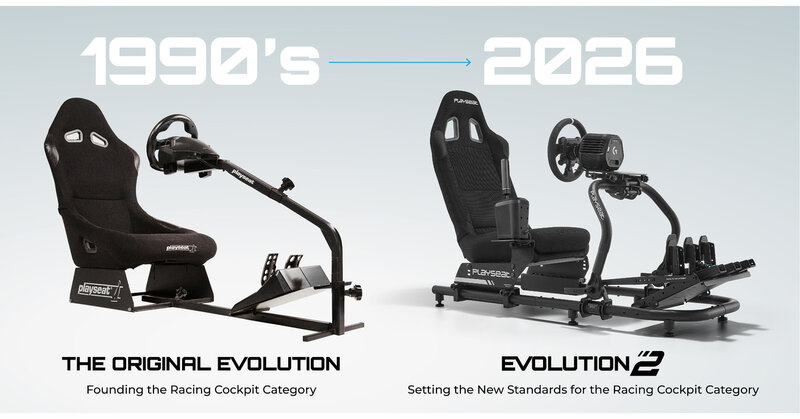
Playseat is advancing adaptable racing cockpits with the Evolution 2, a next-generation simulator designed to offer greater versatility, expandability, and value for home sim racers. Building on the original Playseat Evolution, which helped establish the home racing cockpit category, the updated model is positioned as an all-round setup capable of adapting to different racing experiences and user requirements. The Evolution 2 extends Playseat’s focus on creating simulation equipment suitable for users ranging from beginners to experienced racers.
Greater adaptability can help Playseat appeal to consumers who want a racing setup that can evolve alongside their equipment and experience level. The launch also refreshes one of the company’s established product lines while strengthening its position in the growing simulation hardware market. As Playseat expands into flight and heavy-duty machinery simulation, the Evolution 2 can help establish a broader ecosystem of specialized simulation products.
Image Credit: Playseat®
What's Driving This Trend
- Expandable Simulation Rigs
- Modular cockpit systems create space for hardware ecosystems that grow with user skill levels, budgets, and shifting simulation interests.
- Home Esports Hardware
- Premium at-home racing setups reflect rising demand for immersive equipment that brings competitive digital experiences into personal spaces.
- Multi-category Sim Platforms
- Cross-compatible simulator designs blur the boundaries between racing, flight, and machinery training, opening paths for broader entertainment and skills-based applications.
Who This Affects Most
- Gaming Hardware
- Adaptable peripherals and cockpit systems signal opportunities for accessory makers to build longer-lasting, upgrade-friendly product lines.
- Esports
- More accessible home racing cockpits support amateur-to-competitive pathways where players can train, compete, and engage with branded racing communities.
- Simulation Training
- Consumer-grade simulator innovation introduces lower-cost platforms that may influence professional training tools for mobility, aviation, and industrial equipment sectors.