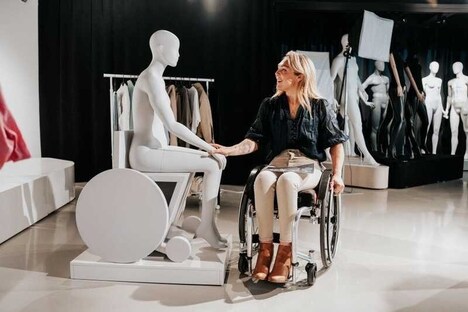
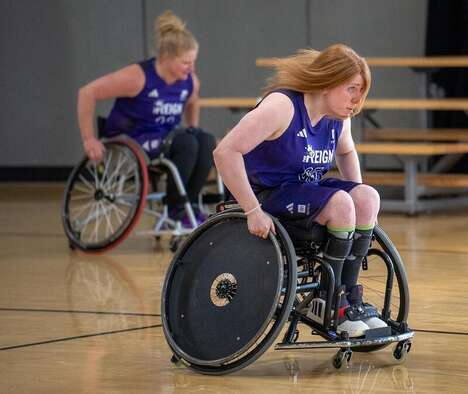
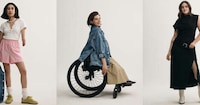
'Alter Ur Ego' is an emerging clothing line of adaptable jeans that wants to meld style with adaptability. For Heidi McKenzie, who started the project, its purpose and cause is a personal one. After a car accident left her paralyzed, McKenzie was forced to use a wheelchair. Years later, McKenzie came to the realization that most, if not all, clothing out there was not comfortable or compatible with wheelchairs. McKenzie teamed up with a designer to create Alter Ur Ego, which produces unique pairs of jeans for women in wheelchairs.
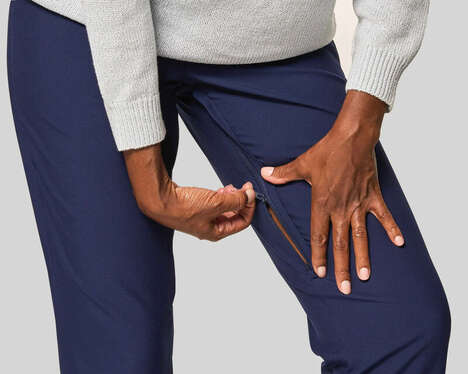
The jeans focus on maximizing comfort and have a number of modifications. The products have a higher elastic waste, no rear pockets, accessible pockets on the leg and are longer in length.
Although tailor-made for women in wheelchairs, Alter Ur Ego does not sacrifice style and is almost indistinguishable from typical jeans.
Why This Trend Is Growing
- Inclusive Clothing
- There is a need for adaptive and comfortable clothing for people with disabilities, creating an opportunity for businesses to design inclusive clothing.
- Adaptive Jeans
- There is a growing demand for jeans that are designed to be functional for people in wheelchairs, presenting a potential for businesses to develop adaptive denim products.
- Fashion for Disabilities
- There is an increasing interest in fashion for people with disabilities, making room for businesses to create more clothing lines that cater to this underserved market.
Industries Being Reshaped
- Fashion
- Fashion companies can disrupt the industry by introducing inclusive and adaptive clothing lines to serve people with disabilities.
- Assistive Technology
- Advancements in assistive technology can help designers and manufacturers create clothing that is comfortable and functional for people with disabilities.
- Healthcare
- Healthcare providers can collaborate with fashion companies to develop clothing that meets the unique needs of people with disabilities.