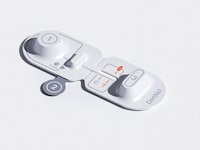
Rapid surface hygiene scanners are reshaping how organizations monitor cleanliness by replacing slow laboratory testing with fast, smartphone-based bacterial detection. Developed by researchers at UMass Amherst, BactiSee delivers contamination analysis in about five minutes while providing visual and quantitative surface assessments. Unlike traditional ATP testing, which measures general organic residue, the system specifically identifies bacterial contamination, helping facilities make more accurate sanitation decisions in real time.
The business implications are significant for industries where hygiene and public safety are critical. Food processing facilities, hospitals, gyms, schools, and hospitality brands can use rapid microbial testing to improve operational efficiency, reduce contamination risks, and strengthen consumer trust. Faster bacterial analysis also helps organizations respond more quickly to sanitation issues while lowering reliance on external laboratory testing. As cleanliness expectations continue to rise globally, mobile hygiene technologies may become a standard part of workplace safety, compliance, and facility management strategies.
Image Credit: UMass Amherst/Yuzhen Zhang
Key Themes Behind This Trend
- Mobile Microbial Detection
- Portable smartphone-based scanners compress lab turnaround into minutes, enabling immediate surface contamination visibility across distributed sites.
- Real-time Sanitation Analytics
- Cloud-linked quantitative assessments deliver continuous cleanliness metrics that can redefine compliance benchmarking and operational decision-making.
- Specificity Over Residue Testing
- Bacterial-targeted assays provide microbiological specificity rather than generic organic residue readings, shifting trust toward pathogen-level verification.
Where This Applies
- Food Processing
- High-throughput production lines could benefit from on-site five-minute bacterial checks that reduce product spoilage risk and recall exposure.
- Healthcare Facilities
- Hospitals and clinics stand to gain from rapid surface microbial mapping that supports patient-safety protocols and infection-control monitoring.
- Hospitality and Leisure
- Hotels, gyms, and entertainment venues may use immediate contamination data to bolster guest confidence and publicly validate hygiene standards.