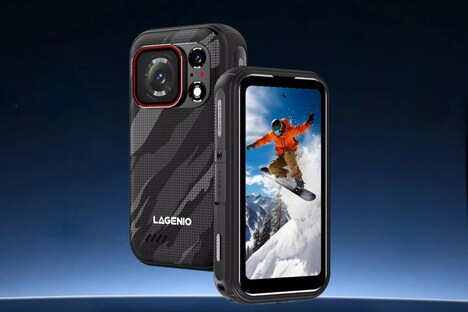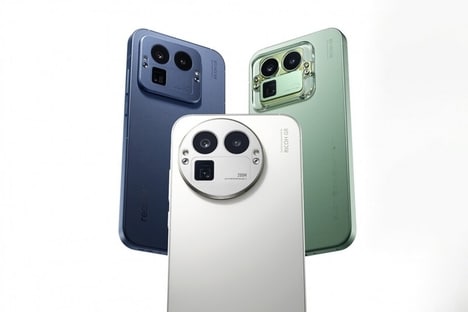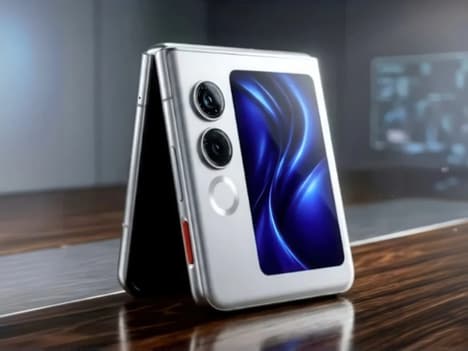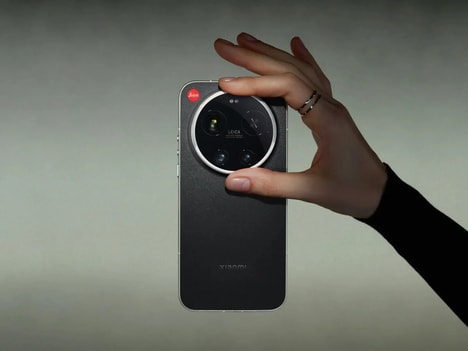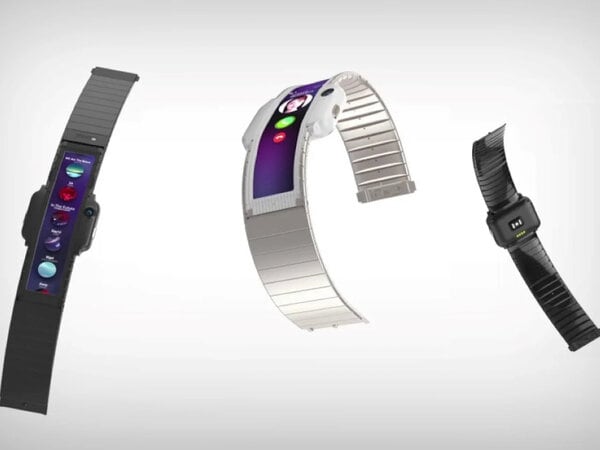

iKKO is expanding dual-OS AI smartphones with the MindOne, a card-sized device that combines Android with the dedicated iKKO AI OS. Users can switch between the two systems using a physical button, accessing conventional mobile apps alongside tools such as AI Notes and AI Translation. The phone also features a 180-degree rotating 50MP Sony camera that handles both front- and rear-facing photography, reducing the need for separate camera modules. Nano SIM, vSIM, and NovaLink provide multiple connectivity options.
The dual-system approach gives iKKO a way to integrate dedicated AI functions without requiring users to abandon the familiar Android ecosystem. This could appeal to consumers interested in AI-focused hardware while reducing barriers associated with adopting an entirely new mobile platform. Its compact design and distinctive camera system further differentiate MindOne in a crowded smartphone market, helping iKKO target users seeking alternatives to conventional flagship devices.
Image Credit: iKKO
What Makes This Trend Stand Out
- Dual-os Mobility
- Hybrid operating systems are creating space for AI-native experiences that coexist with familiar app ecosystems, reducing platform-switching friction for consumers.
- Dedicated AI Hardware
- Purpose-built AI tools embedded in compact devices signal new opportunities for differentiated productivity, translation, and note-taking experiences beyond standard smartphones.
- Modular Camera Design
- Rotating camera systems are reshaping mobile photography by minimizing redundant hardware while supporting versatile front- and rear-facing content creation.
Sectors Adopting This
- Consumer Electronics
- Compact AI-enabled devices point to emerging product categories that blend smartphone utility with specialized intelligent features for niche user segments.
- Mobile Telecommunications
- Multiple connectivity options such as Nano SIM, vSIM, and proprietary links expand how device makers can support flexible access across networks and regions.
- Artificial Intelligence
- On-device AI operating environments highlight a growing market for localized assistants, translation tools, and productivity software optimized for dedicated hardware.