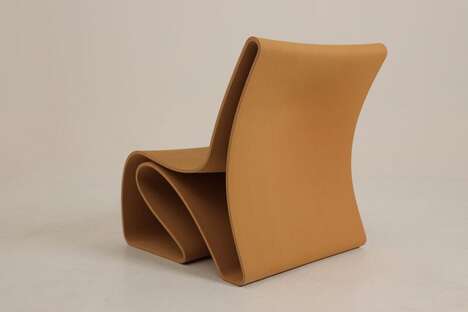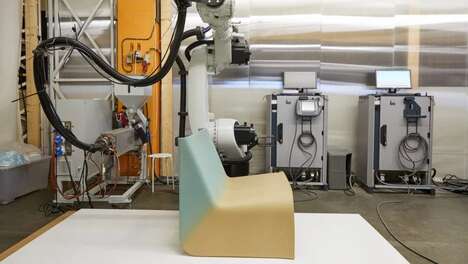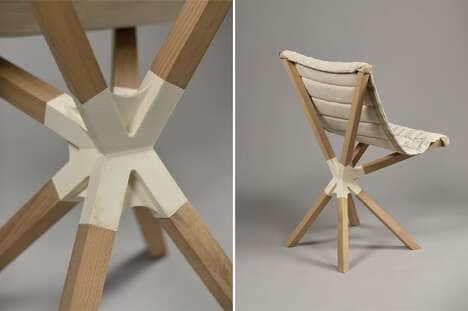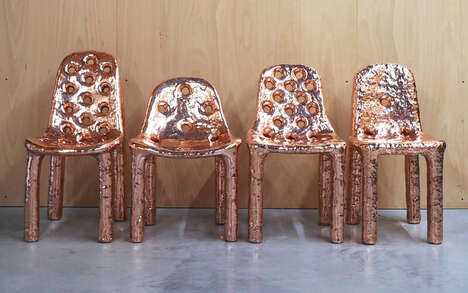
This incredibly interesting and innovative 3D-printed chair design is inspired by nature as observed on the microscopic level. The piece is conceived by Lilian van Daal and its silhouette entertains a type of uniformity and aesthetic that can be linked to cell structures. Dubbed 'Radiolaria #1,' the seating furniture is made with a technique that did not require adhesives. The primary material for the 3D-printed chair is polymer powder pieces, made from recycled polyamide/PA 12 by Oceanz — a company that specializes in 3D printing techniques.
The ultra-intricate aesthetic of Lilian van Daal's design is captivating. To achieve the highly geometrical and connected puzzle-like appearance, the creative looked into "the intricacies of flowers and the mycelium networks of fungi." Without a doubt, the Radiolaria #1 3D-printed chair offers new paths of exploration for furniture design.
What's Driving This Trend
- Biomimicry in Design
- Designers can draw inspiration from nature's structures and systems to create innovative and aesthetically pleasing products.
- Sustainable Material Innovation
- Exploring the use of recycled materials can lead to innovative and eco-friendly solutions for manufacturing and production processes.
- Advanced 3D Printing Techniques
- Advancements in 3D printing technology allow for the creation of intricate and complex designs with various materials.
Who This Affects Most
- Furniture Design
- The furniture industry can benefit from incorporating biomimicry principles to create unique and visually appealing designs.
- Sustainable Manufacturing
- Adopting sustainable materials and manufacturing techniques can disrupt the traditional manufacturing industry and promote eco-friendly practices.
- Additive Manufacturing
- The 3D printing industry can further advance by exploring new techniques and materials for creating intricate designs.