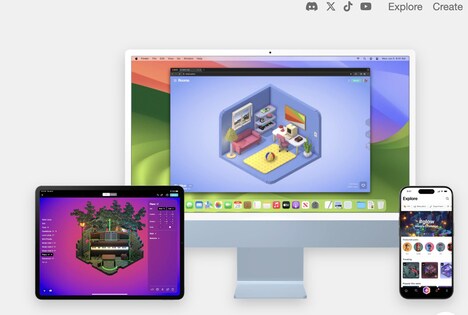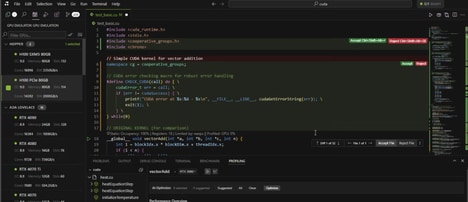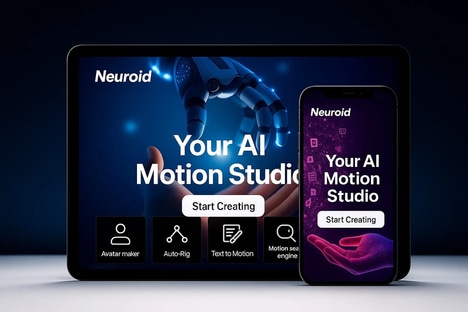

Unity is a comprehensive development platform that enables creators to design, build, and deploy interactive real-time content across 2D, VR, AR, and 3D engine environments. Its versatility supports a wide range of industries, including gaming, film and animation, automotive design, architecture, and simulation.
The engine provides tools for rendering, physics simulation, animation, and scripting, allowing developers to prototype and iterate quickly. Unity also offers cross-platform deployment capabilities, enabling projects to run on desktop, mobile, console, and VR/AR devices. Its extensive ecosystem includes asset libraries, plugins, and integrations that streamline development workflows. By combining flexibility, scalability, and robust community support, Unity serves as a foundational tool for professionals and organizations seeking to create immersive, interactive experiences with real-time rendering and broad industry applicability.
Image Credit: Unity
Why This Trend Is Growing
- Real-time Collaborative Development
- Distributed teams are able to co-create and iterate within the same live 3D environments, reducing iteration cycles and enabling new collaborative production models.
- Cross-platform Unified Deployment
- A single build pipeline running across mobile, desktop, console, and VR/AR ecosystems streamlines distribution and shifts value toward reusable, portable interactive assets.
- Photorealistic Real-time Rendering
- Immediate, cinema-quality visuals rendered in real time allow virtual prototypes and immersive experiences to closely mirror physical reality, changing expectations for simulation fidelity.
Industries Being Reshaped
- Gaming
- Interactive titles leveraging modifiable real-time engines can blur the line between players and creators by supporting live content updates, custom user-generated assets, and persistent shared worlds.
- Architecture and Construction
- Immersive real-time walkthroughs and dynamic material visualization provide clients and planners with instant feedback on design choices and performance trade-offs during early-stage decision making.
- Automotive Design
- Real-time simulation of vehicles and environments enables rapid virtual prototyping and experiential demonstrations that can supplant many physical mockups and early-stage testing workflows.