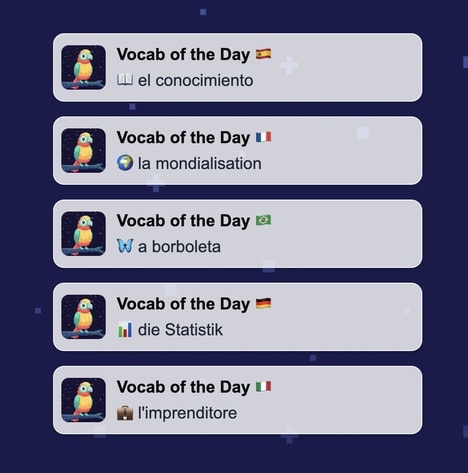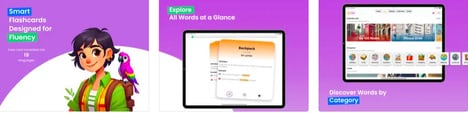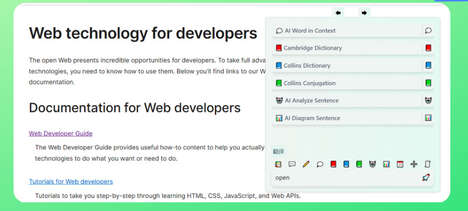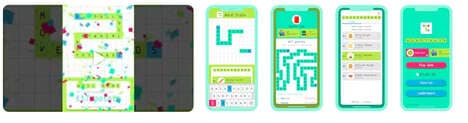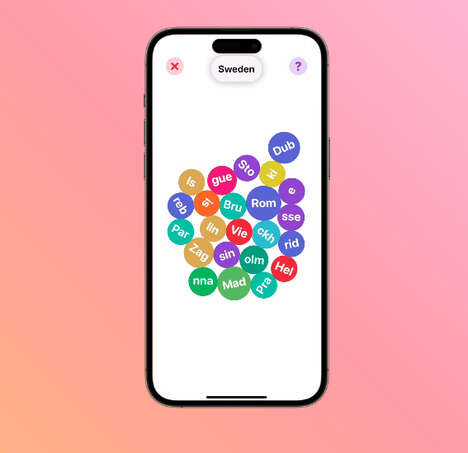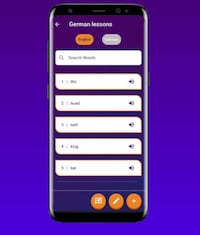

Wordly is an educational platform designed to assist users in expanding their vocabulary across any language. It allows learners to upload custom word lists, which can then be practiced through interactive flashcards and engaging games. The platform’s structure emphasizes repeated exposure and active recall, techniques known to enhance retention and mastery of new words.
Wordly can serve a variety of users, from individual language learners aiming to build personal vocabulary to educators seeking tools for classroom instruction. Its gamified approach encourages consistent practice and can help maintain motivation over time. By combining user-generated content with structured exercises, Wordly offers a versatile solution for language development, supporting both targeted vocabulary growth and broader language learning objectives in a flexible and accessible format.
Image Credit: Wordly
Key Themes Behind This Trend
- Gamified Education Platforms
- By incorporating game-like elements, educational platforms such as Wordly increase learner engagement and retention, transforming traditional study methods into more interactive experiences.
- Customizable Learning Experiences
- Tools that allow user-generated content, like custom word lists, enable learners to tailor educational experiences to their individual needs, enhancing the relevance and effectiveness of learning.
- Multilingual Learning Tools
- Platforms designed to support vocabulary acquisition across multiple languages broaden accessibility and provide opportunities for learners to engage with diverse linguistic landscapes.
Where This Applies
- Edtech
- With technology-driven platforms like Wordly, the EdTech industry is revolutionizing how individuals learn languages by blending traditional methods with innovative digital solutions.
- Language Education
- The language education sector benefits from tools offering personalized and versatile approaches, meeting the needs of diverse learners ranging from casual language enthusiasts to professional educators.
- Mobile Learning
- As more users turn to smartphones for educational purposes, mobile learning environments focusing on language skills cater to a growing demand for on-the-go learning solutions.