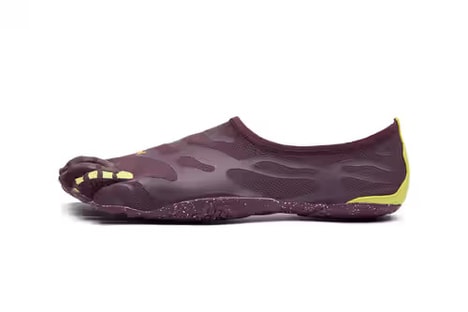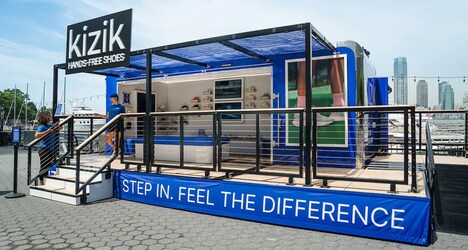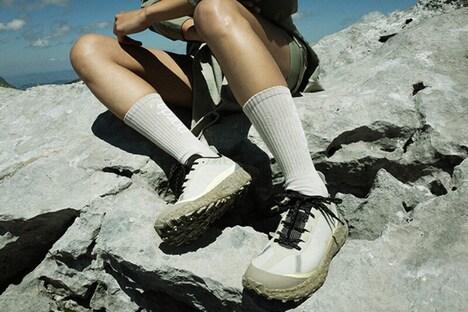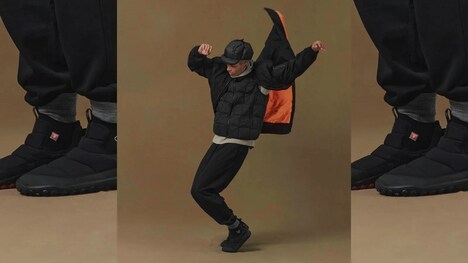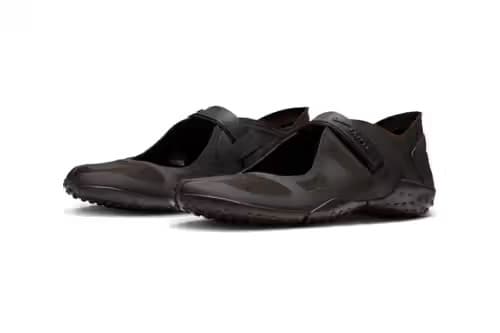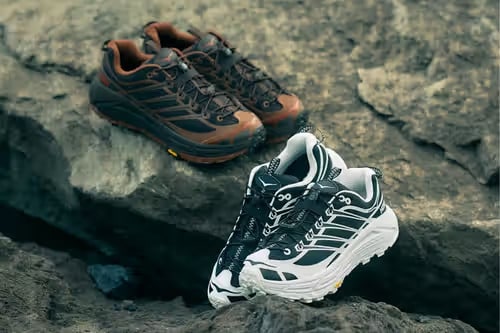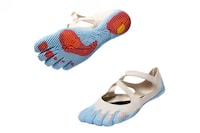
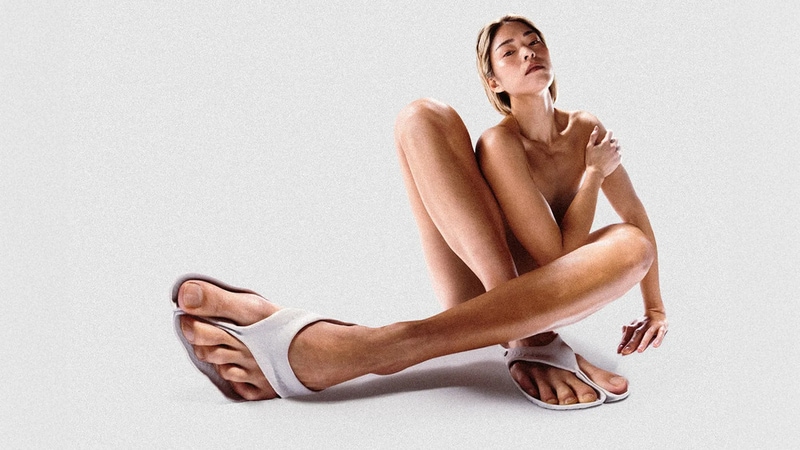
The Vivobarefoot VivoBiome Tabi Gen 02 is the brand's latest innovation that embraces a personalized footwear design to help consumers transition from mass-produced shoes to customizes styles. The shoe experience starts off by having customers book a scan of their feet in-store that will yield data to inform the customization of the final product. This includes a split for the big toe for a tabi shoe style that accommodates a better range of motion for the wearer.
The Vivobarefoot VivoBiome Tabi Gen 02 is constructed using a lightweight foam material that's reported to achieve proved flexibility and responsiveness, while also reducing the amount of material required for production. The sandal-style footwear is arriving now exclusively in-store for $150 with foot scans offered at New York, London and Tokyo flagship locations.
Image Credit: Vivobarefoot
Why This Trend Is Growing
- In-store 3D Foot Scanning
- Foot scanning technology generating individualized biometric data enables hyper-customized fit profiles that can upend one-size-fits-all retail models.
- Modular Tabi-style Footwear
- A resurgence of split-toe and modular designs offers new ergonomic categories that challenge conventional shoe architectures and consumer expectations.
- Lightweight Sustainable Materials
- Reduced-material foams and responsive lightweight compounds present opportunities to lower production resource use while redefining performance and comfort benchmarks.
Industries Being Reshaped
- Retail Footwear
- Flagship-exclusive experiences and in-store biometric services could reshape customer acquisition and inventory strategies across shoe retail chains.
- Athleisure and Wellness
- The convergence of minimalist biomechanics and lifestyle footwear signals new product segments centered on natural motion and foot health.
- Footwear Manufacturing and Supply Chain
- Data-driven customization and material-efficient production models have the potential to disrupt mass manufacturing flows and supplier relationships.