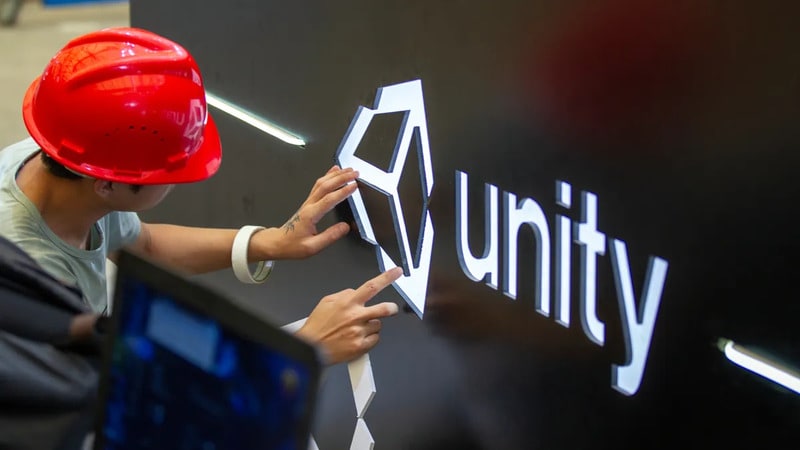
Unity is gearing up to debut a significant upgrade to its AI platform at the Game Developer Conference in March. The centerpiece: a tool that lets developers build full casual games using nothing but natural language prompts, moving from prototype to finished product entirely within the Unity ecosystem. CEO Matthew Bromberg framed it as a way to "remove friction from the creative process," lowering the barrier for non-coders while boosting productivity for veterans.
The announcement lands in an increasingly crowded space — Google's Project Genie drew attention (and some investor anxiety) with its own AI "world model" earlier this year. Bromberg positioned the two as complementary rather than competing, arguing that world models serve as asset and inspiration sources, while game engines remain the foundation for actual production. Unity's bet is that accessible, AI-native tooling could bring tens of millions of new creators into the interactive entertainment space.
Image Credit: Visual China Group via Getty Images
What's Driving This Trend
- Natural Language Game Authoring
- A shift toward building complete games from plain language prompts that lowers technical barriers and expands the creator base beyond traditional programmers.
- AI-native Production Pipelines
- The integration of AI throughout the engine stack that streamlines iteration, automates asset generation, and compresses development timelines within a single ecosystem.
- World-model and Asset Convergence
- The blending of generative world models with engine-driven production that enables rapid concept-to-prototype translation and richer procedurally generated content.
Who This Affects Most
- Game Development Platforms
- Platform providers face the opportunity to redefine value by embedding conversational design tools that democratize production and shift revenue models toward creator services.
- Casual Gaming Market
- Lowered creation friction is likely to flood the casual segment with niche, rapidly produced titles and new monetization formats driven by creator economies.
- Content Creation Tools
- Tooling ecosystems can evolve into AI-assisted marketplaces where rapid asset synthesis and semantic search reshape how designers source and customize content.