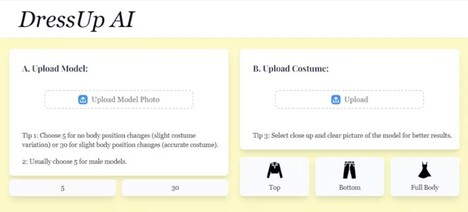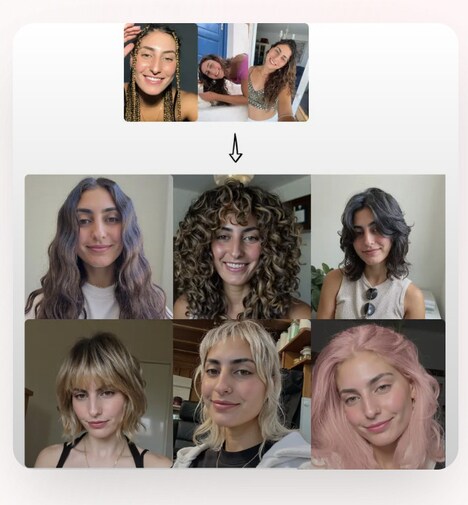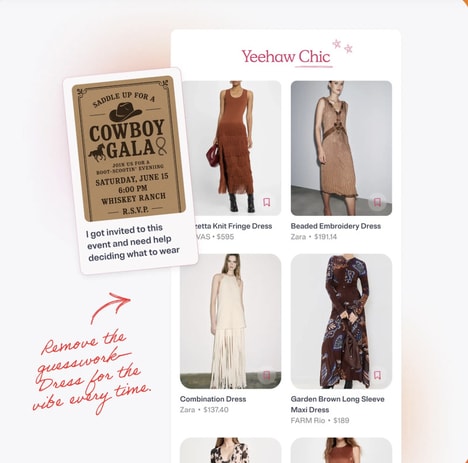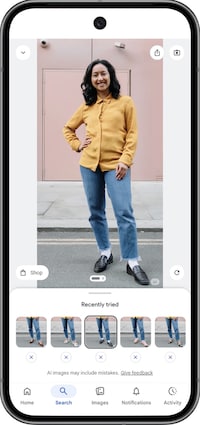
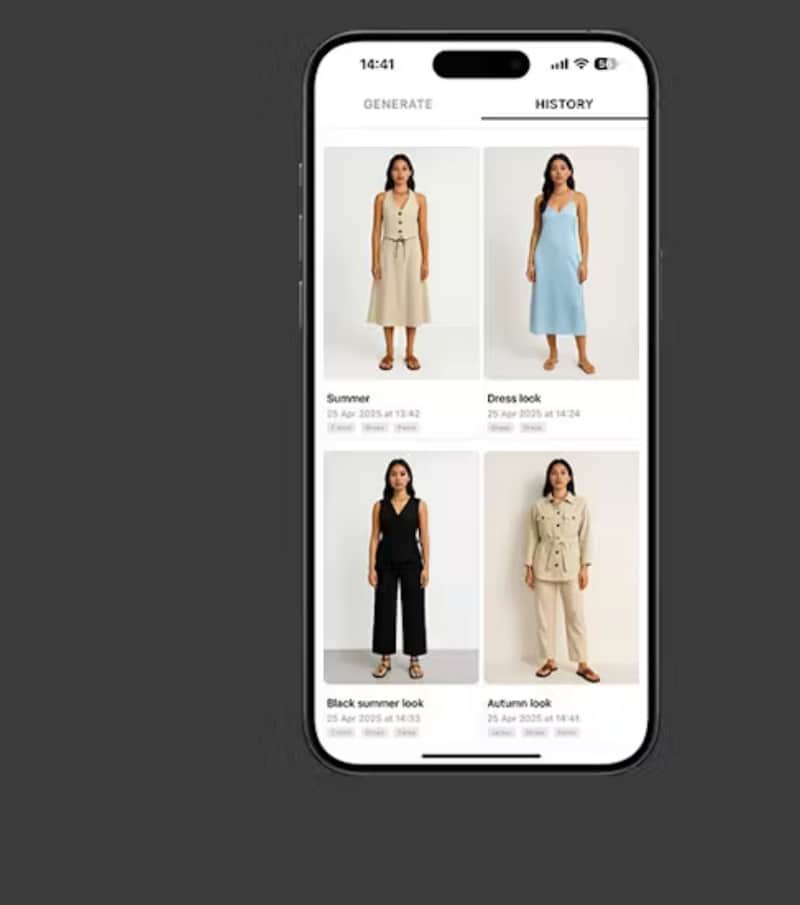
TryMe AI is a virtual outfit visualization tool that allows users to preview how clothing items may look on them before purchasing or styling outfits. By combining image processing and AI-driven visualization, the platform enables users to save garments they own or are considering buying and digitally “try on” different looks.
The tool also maintains an outfit history, helping users revisit past combinations and track personal style preferences over time. From a business perspective, solutions like this reflect a broader shift toward digital retail experiences that reduce uncertainty in online shopping. Virtual try-on technology can help bridge the gap between physical and e-commerce environments by supporting more informed purchasing decisions. For retailers and consumers alike, tools that enhance visualization and personalization may contribute to improved engagement, reduced returns, and more efficient wardrobe planning.
Image Credit: TryMe AI
Why This Trend Is Growing
- Virtual Try-on Personalization
- A shift toward highly individualized virtual fittings enables more accurate size, fit and style matching through AI-driven body modeling and preference learning.
- Outfit History Analytics
- Persistent outfit timelines create datasets that reveal long-term style evolution and seasonality patterns, enabling predictive personalization and inventory alignment.
- Augmented Commerce Integration
- Seamless blending of AR visualization with transaction systems creates immersive shopping flows that narrow the gap between discovery and purchase.
Industries Being Reshaped
- E-commerce Retail
- Online retailers can leverage virtual try-on to significantly reduce return rates and increase conversion by offering richer pre-purchase visualization and size confidence.
- Fashion Tech
- Startups and platforms focused on garment digitization and AI styling can unlock new revenue streams via subscription personalization services and licensing of digital wardrobes.
- Supply Chain and Returns Management
- Logistics providers and reverse-flow systems stand to be transformed as better pre-purchase accuracy lowers return volumes and enables more predictable inventory planning.