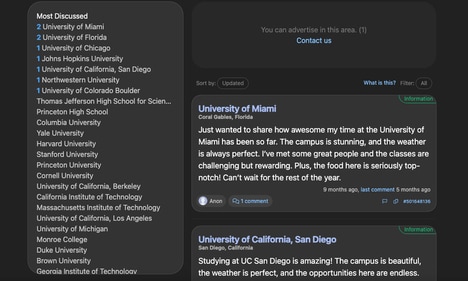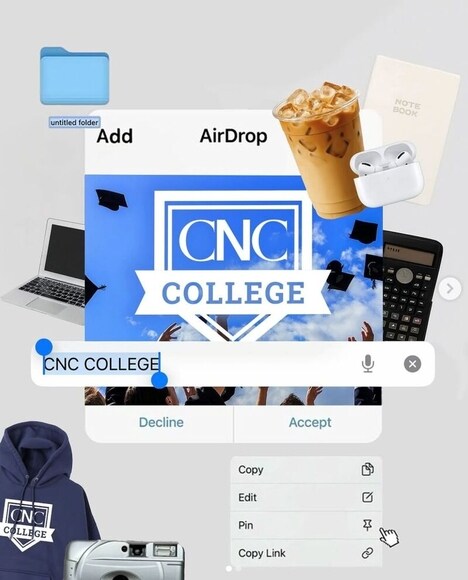

TikTok has launched Campus Verification, a feature that echoes Facebook's original 2004 college-only approach with a distinctly modern twist. Through a partnership with UNiDAYS, the platform is rolling out to 6,000 U.S. universities, allowing students to confirm their enrollment, add their school to profiles, and browse dedicated campus pages. Students can filter by graduation year and discover which classmates have gained the most followers, creating a digital campus directory that feels both nostalgic and contemporary.
The timing proves particularly strategic as Meta faces internal restructuring challenges. TikTok's move to capture the college demographic represents a calculated effort to build community around shared institutional identity — something Facebook pioneered but has since moved away from. By recreating the exclusivity and campus-centric networking that originally made Facebook appealing to students, TikTok positions itself as the platform where college-aged users can authentically connect with peers while maintaining the creative, algorithm-driven experience that defines the app.
Image Credit: TikTok
What's Driving This Trend
- Campus-centric Digital Networking
- Platforms like TikTok are redefining social connections by emphasizing exclusive, school-based communities reminiscent of early Facebook.
- Enrollment-verified Social Spaces
- With features that verify student status, social apps are fostering more secure and authentic user environments tailored to educational institutions.
- Nostalgia-driven Platform Design
- Modern social networks are leveraging nostalgia to engage users by incorporating elements that hark back to the original appeal of early social media.
Who This Affects Most
- Edtech Platforms
- The integration of social features in educational technology presents opportunities for creating robust, verified networks that enhance student engagement.
- Social Media Development
- Emerging trends show a shift towards more personalized, community-focused social network architectures that rethink user interaction models.
- Digital Identity Verification
- Technological advancements in digital identity checks are gaining traction, offering new pathways for ensuring trust and authenticity within online communities.