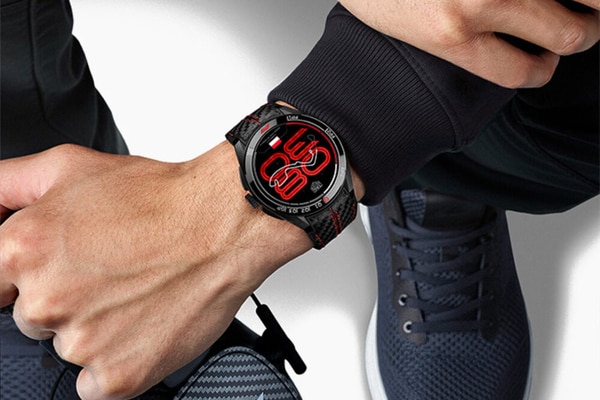
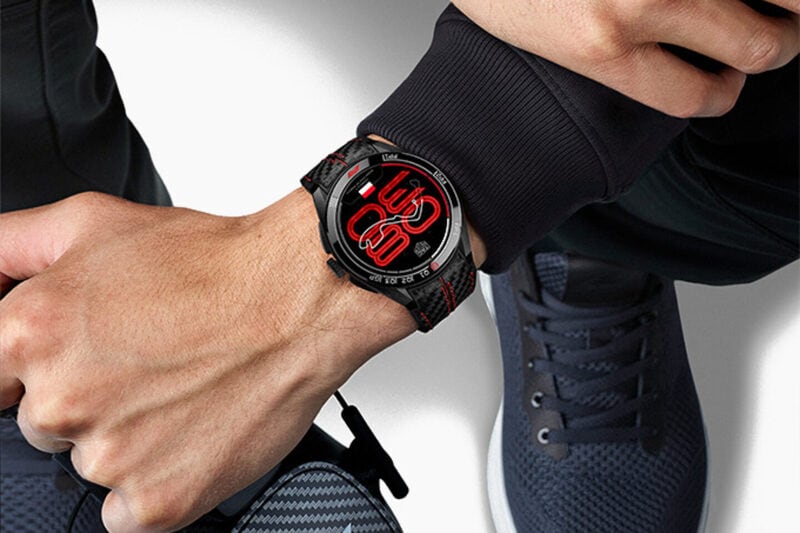
The TAG Heuer Connected Calibre E5 x Formula 1 Edition smartwatch has been debuted ahead of the 2026 racing season as a wearable that prioritizes connectivity and fandom alike.
The smartwatch measures in at 45mm with a Grade 2 titanium case that's accented by a black diamond-like carbon (DLC) coating that has been brushed and sandblasted for the finish for enhanced texture. The wearable puts an 1.39-inch AMOLED screen in focus, while the dedicate Formula 1 app offers fans a way to track season standings, post-race results and schedules.
The TAG Heuer Connected Calibre E5 x Formula 1 Edition smartwatch comes with two straps, is priced at $2,550 and will see existing TAG Heuer clients receiving an early access window to order on March 3, 2026.
What's Driving This Trend
- Luxury Sports-branded Smartwatches
- A convergence of high-end materials and team-specific software that redefines price tiers and consumer expectations around fandom-driven wearable ownership.
- Wearable Fan Engagement Platforms
- Integrated race apps and live data feeds on wrist devices offering persistent, personalized access to standings, schedules and community features that reshape fan-media interactions.
- Hybrid Materials in Smartwatch Design
- The adoption of Grade 2 titanium with DLC coatings and textured finishes signaling new manufacturing techniques and durability standards for premium wearables.
Who This Affects Most
- Luxury Watchmaking
- Heritage brands incorporating connected technology and subscription-style services that change product lifecycles, aftercare models and customer relationships.
- Sports Media and Broadcasting
- Broadcasters and rights holders presenting live telemetry and race content through wrist platforms, altering advertising, sponsorship and second-screen monetization strategies.
- Wearable Tech Manufacturing
- Component suppliers and assemblers facing rising demand for high-resolution AMOLED displays and specialty coatings that impact sourcing, miniaturization and production costs.