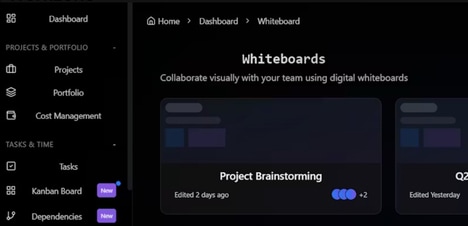
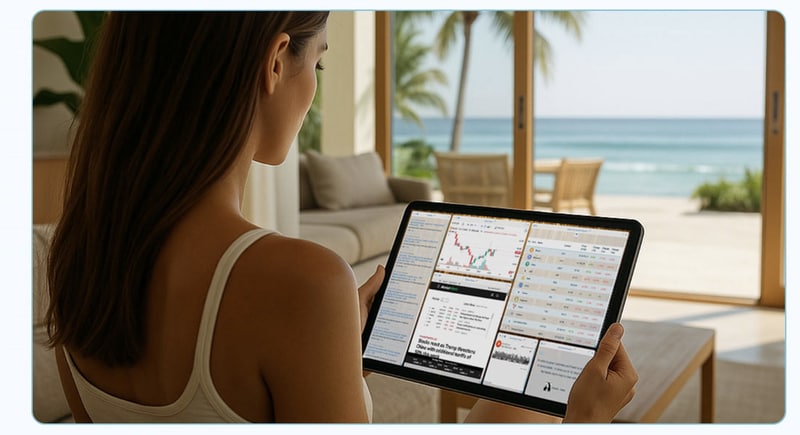
Single Dashboard is a customizable workspace designed to consolidate digital tools into a single visual interface. Users can drag and drop widgets such as calendars, task lists, financial trackers, news feeds, emails, and embedded applications onto a flexible canvas, creating a personalized command center.
The platform aims to reduce tab overload by allowing multiple workflows to be viewed and managed simultaneously across devices and browsers. From a business perspective, centralized dashboards address a growing challenge in modern work environments: fragmented productivity systems spread across numerous applications. By enabling users to design layouts that match individual workflows, tools like Single Dashboard support efficiency, visibility, and faster decision-making. The ability to save configurations also encourages repeatable processes, making it relevant for professionals managing complex responsibilities, distributed teams, or multi-platform digital operations.
Image Credit: Single Dashboard
What Makes This Trend Stand Out
- Unified Workspace Integration
- A consolidated visual interface that aggregates disparate apps and data streams creates potential for platforms that replace multiple point solutions with a single operable layer.
- Modular Widget Ecosystems
- Composable drag-and-drop widgets enable marketplaces of interoperable micro-apps that can be mixed to tailor complex, role-specific command centers.
- Persistent Cross-device State
- Saved dashboard configurations synchronized across devices open opportunities for continuity features that preserve workflow context and reduce task-switching friction.
Sectors Adopting This
- Enterprise Saas
- Centralized dashboards offer the basis for subscription platforms that bundle integrations, analytics, and workflow automation to supplant fragmented B2B stacks.
- Financial Services
- Real-time aggregation of portfolios, transaction feeds, and compliance alerts within a single view presents scope for solutions that streamline decision-making and risk monitoring.
- Healthcare Operations
- A unified interface combining schedules, patient records, and communication tools could transform coordination across clinics and care teams by reducing administrative overhead.