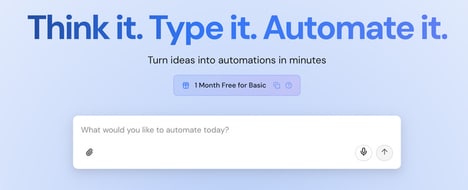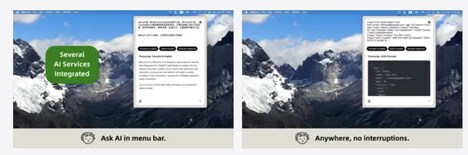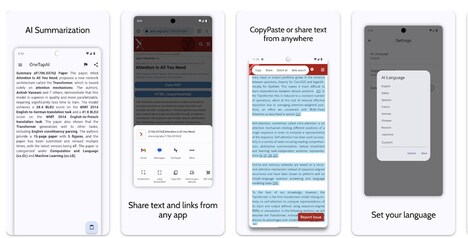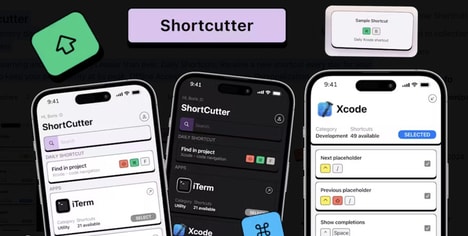
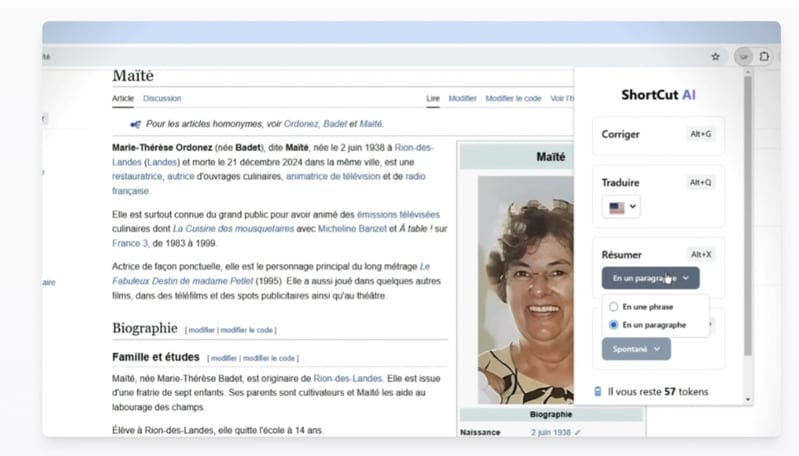
ShortCut AI is a productivity tool that integrates artificial intelligence directly with user-defined keyboard shortcuts. The platform allows users to execute AI-driven tasks—such as text corrections, translations, summarizations, or content generation—without switching between applications or browser tabs.
By mapping specific AI actions to simple key combinations, the tool aims to reduce friction in daily workflows and streamline repetitive tasks. From a business perspective, such functionality can enhance efficiency for professionals who rely on AI for writing, coding, communication, or research. Centralizing AI interactions through shortcuts also has ergonomic advantages, minimizing manual navigation and multitasking overhead. For teams and individual users alike, ShortCut AI exemplifies how workflow automation and interface customization can be leveraged to optimize time and productivity in digitally intensive environments.
Image Credit: ShortCut AI
Key Themes Behind This Trend
- Keyboard-integrated AI
- Brings AI capabilities directly into low-friction input methods, enabling seamless task execution without context switching and creating space for new microservice ecosystems tied to keystrokes.
- Contextual Micro-automations
- Signals a shift toward lightweight, context-aware automations that perform single-purpose AI tasks within active workflows, opening possibilities for modular AI plugins that adapt to user intent.
- Personalized Shortcut Libraries
- Creates opportunities for curated, shareable repositories of user-defined AI shortcuts that capture best practices and domain-specific workflows for teams and communities.
Where This Applies
- Enterprise Software
- Offers potential to embed configurable AI shortcut layers into business applications, reducing friction for knowledge workers and enabling differentiated productivity platforms.
- Content Creation & Publishing
- Presents a model for integrating instant AI editing, summarization, and generation tools directly into writers' toolchains, reshaping editorial workflows and tooling stacks.
- Human-computer Interaction
- Highlights opportunities to rethink input paradigms and ergonomics by combining physical shortcuts with AI-driven context, influencing interface standards and device design.