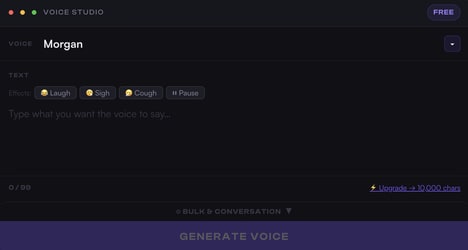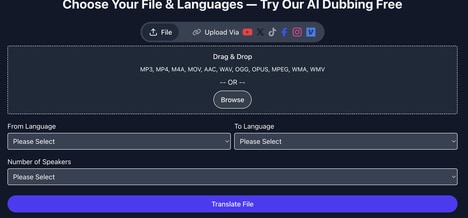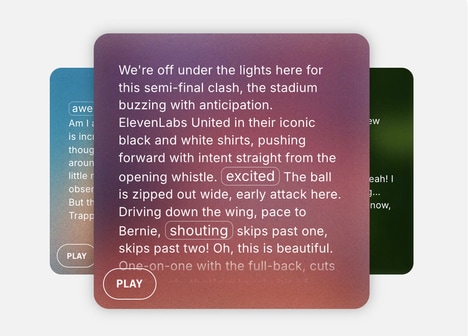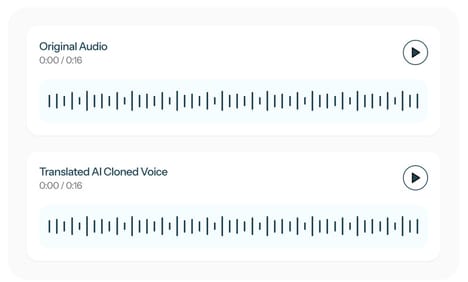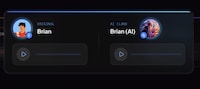

Reaching audiences in different countries can be difficult when video and audio content is only available in one language. ReVoiceLab is an AI voice dubbing tool designed to automatically translate video and audio content into more than 60 languages. The platform uses a library of over 1,400 AI voices designed to sound natural, giving creators more options when adapting their content for different audiences.
It is aimed at creators, educators, and businesses that want to expand their reach without having to record or produce separate versions of their content manually. Users do not need technical skills to use the platform, making the dubbing process more accessible to people who may not have experience with audio production or localisation. By combining automated translation with AI-generated voices, ReVoiceLab aims to make multilingual content creation faster and easier. This can help users repurpose existing videos and audio for new markets while keeping the production process relatively simple.
Image Credit: ReVoiceLab
Key Themes Behind This Trend
- Automated Voice Localization
- AI dubbing platforms are reducing the cost and complexity of adapting content for global audiences, creating new potential for scalable multilingual media distribution.
- Synthetic Voice Libraries
- Expansive AI voice catalogs are enabling more natural-sounding translations, opening possibilities for personalized tone, accent, and brand voice consistency across markets.
- No-code Content Translation
- Accessible translation tools are bringing professional-style localization to nontechnical creators, reshaping how small teams repurpose video and audio for international growth.
Where This Applies
- Digital Media
- Streaming creators, publishers, and video platforms can use automated dubbing to broaden audience reach without relying on traditional studio-based localization workflows.
- Education Technology
- Course providers and training platforms gain new ways to deliver lessons across languages, supporting more inclusive learning experiences in international markets.
- Business Communications
- Enterprise teams can transform webinars, product explainers, and internal training into multilingual assets, improving consistency across distributed workforces and customer bases.