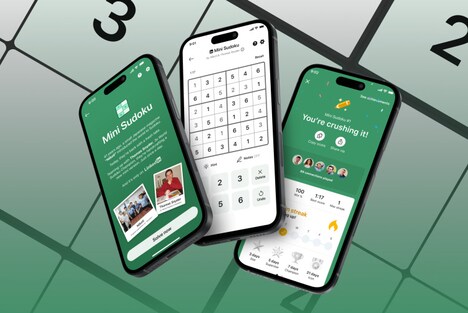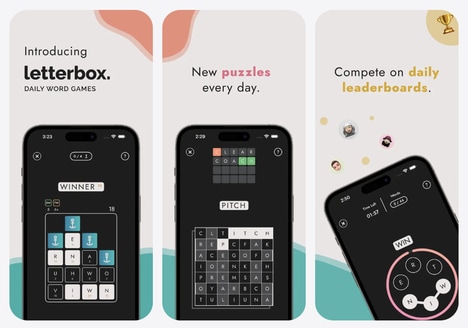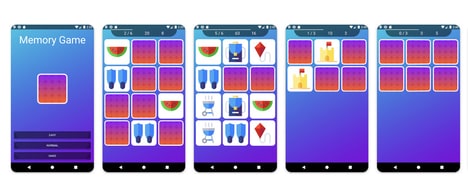
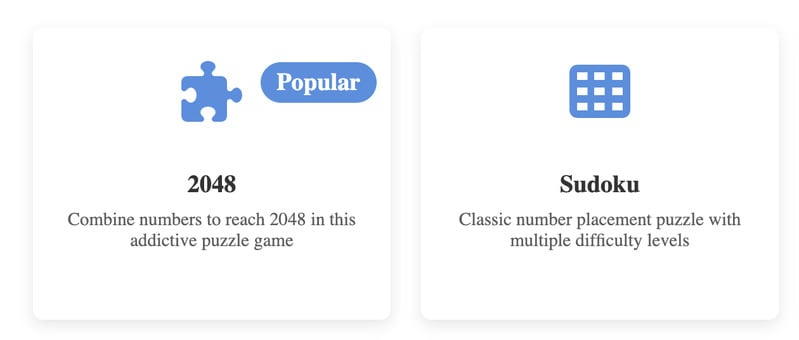
QuickRiddle is an online platform that provides access to a collection of classic brain games and puzzles, including Snake, 2048, Tetris, and Sudoku. Designed for quick, accessible play, the platform allows users to engage in short mental breaks without downloads or complex setup.
From a business perspective, tools like QuickRiddle align with growing interest in micro-breaks and cognitive refreshment during the workday. Short puzzle-based games can support mental agility, stress reduction, and brief disengagement from focused tasks. The platform’s web-based approach makes it easy to integrate into personal or workplace routines, particularly in digital-first environments. While primarily recreational, QuickRiddle reflects broader trends around lightweight digital experiences that balance productivity with mental wellness, offering simple ways to reset attention and maintain cognitive engagement throughout the day.
Image Credit: QuickRiddle
Key Themes Behind This Trend
- Micro-break Gaming
- Leveraging the trend of micro-break gaming, businesses can explore ways to enhance employee productivity and well-being through short, accessible puzzles and games.
- Digital Well-being
- The rise of platforms like QuickRiddle highlights a growing focus on digital well-being, offering opportunities to develop tools that promote mental health in technology-driven environments.
- Lightweight Digital Experiences
- Interest in lightweight digital experiences is increasing, providing an avenue for creating applications that deliver quick, satisfying user interactions without overwhelming demands.
Where This Applies
- Mobile Gaming
- The mobile gaming industry could capitalize on the demand for quick, engaging content by integrating snackable brain games into their app offerings.
- Corporate Wellness Programs
- Corporate wellness programs stand to benefit from the integration of cognitive micro-break tools, enhancing employee engagement and mental health support.
- Edtech
- EdTech companies can tap into the casual brain game sector to design educational tools that combine learning with cognitive task-enrichment strategies.