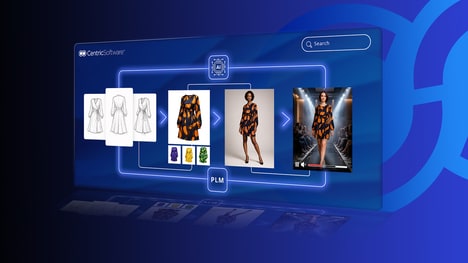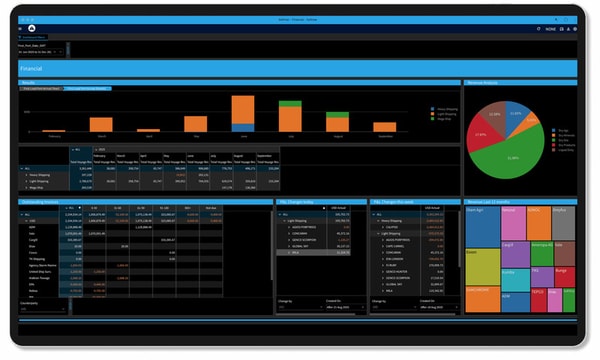
The Malwee Group, a prominent Brazilian fashion retailer, has transitioned from using internally developed software to a specialized Product Lifecycle Management system provided by Centric Software. This strategic shift was motivated by operational challenges stemming from disconnected data sources and disjointed workflows across the company's various brands.
The Malwee Group's primary objective of implementing the new Product Lifecycle Management platform was to establish a unified, centralized repository for all product-related information, thereby replacing a fragmented and inefficient proprietary system that had become a drain on internal resources. The outcome of this technological upgrade has been a reported substantial increase in the speed of data analysis and a significant reduction in redundant work, allowing creative and product development teams to reallocate their efforts toward more strategic tasks.
The most significant long-term benefit is the potential for higher quality and more thoughtfully designed products. By streamlining the development process and minimizing errors and rework, the company can allocate more time and resources to perfecting materials, construction, and fit, leading to better-made garments that offer greater durability and value.
Image Credit: The Malwee Group
Key Themes Behind This Trend
- Centralized Data Repositories
- Centralizing data enables businesses to eliminate inefficiencies, fostering a seamless exchange of information across functions.
- Streamlined Workflow Systems
- Streamlining workflows can bolster productivity by reducing redundant tasks and enabling teams to focus on strategic innovation.
- Quality-driven Product Development
- Focusing on quality-driven product development allows for enhanced creativity in design, resulting in better-made, longer-lasting products.
Where This Applies
- Fashion Retail
- In the fashion retail sector, leveraging unified data systems can lead to quicker adaptation to market trends and improved design processes.
- Software Solutions
- Software solutions that centralize various business functions can disrupt traditional operations by increasing overall efficiency and integration.
- Apparel Manufacturing
- Advanced lifecycle management in apparel manufacturing sets the stage for durable, high-quality garments through improved resource allocation and precise design.