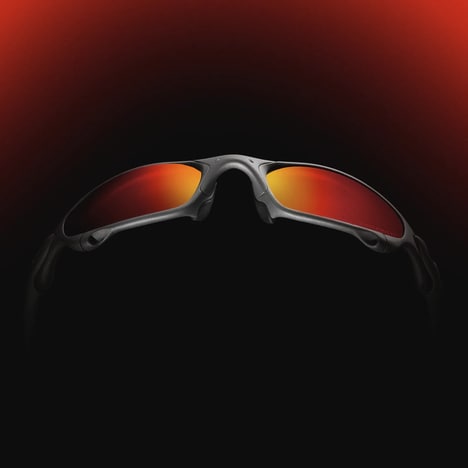
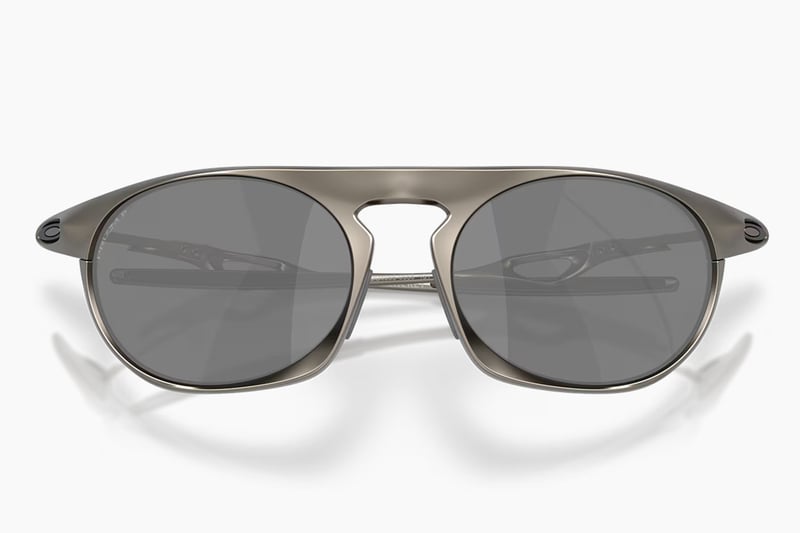
The Oakley Neo Jacket sunglasses have been revived by the brand with the original model from 1997 in mind to offer collectors and fashion-forward individuals alike with a new option to consider.
The sunglasses are observed in aluminum instead of the original titanium with an eight-base wrap that helps the style to maintain its form while also shedding additional weight. The eyewear thus still achieves the futuristic style aesthetic without the associated costs that were associated with the resource-intensive titanium original.
The Oakley Neo Jacket sunglasses are paired with Prizm Black Polarized lenses that have 11% light transmission to work well for extra-bright conditions. The eyewear is available now from the brand for $244 to $297, depending on the lens option.
Image Credit: Oakley
What's Driving This Trend
- Revival of Retro-futuristic Aesthetics
- A renewed interest in 90s design philosophies inspires a market resurgence of retro-futuristic products, offering innovative design opportunities by blending nostalgic styles with modern materials.
- Aluminum as Titanium Alternative
- Using aluminum as a cost-effective and lightweight alternative to titanium highlights a shift in material innovation, enabling companies to deliver high-performance products at reduced manufacturing costs.
- Polarized Lens Advancements
- Adoption of enhanced optical technologies like Prizm Black Polarized lenses reflects a trend towards improving visual performance and protection, driving advancements in precision eyewear designs.
Who This Affects Most
- Fashion Accessories
- The resurgence of iconic brands in the lenswear segment creates opportunities for innovation in the way heritage and contemporary fashion elements are combined.
- Material Engineering
- Emerging material technologies in the eyewear industry present prospects for breakthroughs in combining lightweight and durable elements for consumer products.
- Optical Technologies
- The growing demand for enhanced optical clarity and performance expands the scope for innovation in lens technology development and applications.