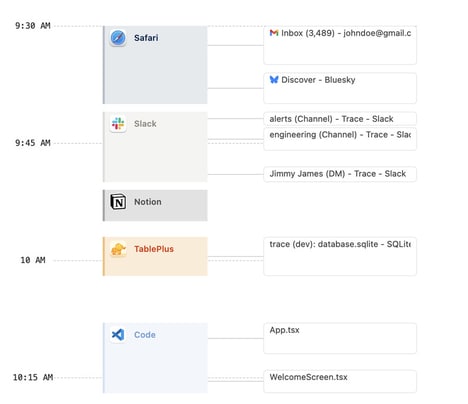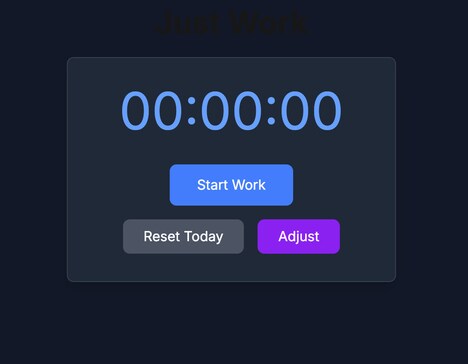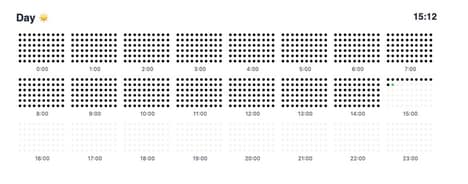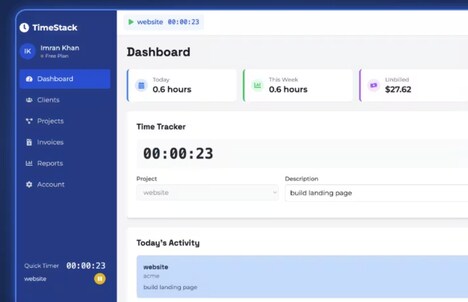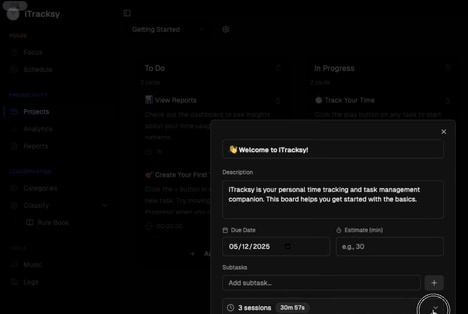
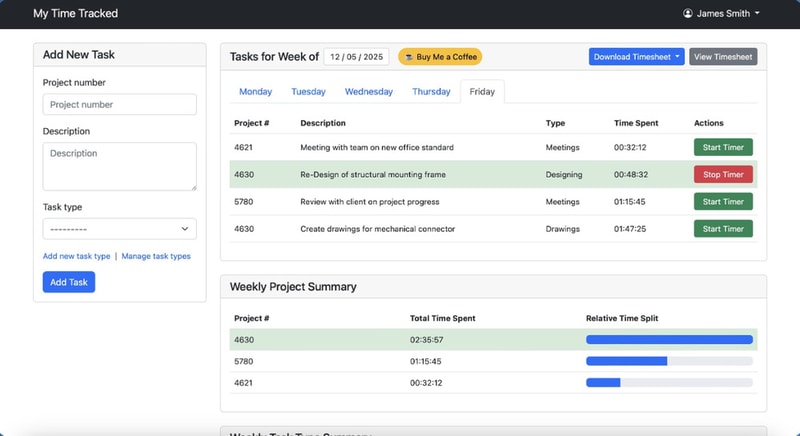
My Time Tracked is a time management tool designed to help users record and analyze how they allocate time across projects and task categories. It enables structured tracking of daily activities, allowing users to identify where time is being spent and assess workload distribution.
The platform supports the creation of timesheets, which can be exported for reporting or review purposes, making it useful for both personal productivity and professional time logging. It is typically used by freelancers, employees, and teams who need visibility into time usage for planning, billing, or productivity analysis. By categorizing tasks and tracking duration, it provides a clearer overview of work patterns over time. The tool reflects a broader category of productivity software focused on transparency and accountability in time usage. Its primary function is to simplify time tracking and support better decision-making around task prioritization and workload management.
Image Credit: My Time Tracked
Why This Trend Is Growing
- Automated Contextual Time Capture
- Increasing reliance on passive, context-aware tracking that logs activities without manual timers enables new models for seamless productivity measurement and billing.
- Integrated Billing and Invoicing
- Integration of timesheets with invoicing systems creates unified financial workflows that reduce reconciliation friction for client-based work.
- Predictive Workload Optimization
- Predictive analytics that forecast capacity and task duration based on historical time data can reshape staffing and project planning assumptions.
Industries Being Reshaped
- Professional Services
- Consulting and legal firms that depend on precise client billing stand to be transformed by granular, verifiable time records tied to deliverables.
- Freelance Platforms
- Marketplaces for independent contractors could leverage embedded time tracking to provide trust signals and streamline payments between clients and gig workers.
- Human Resources and Workforce Analytics
- HR systems incorporating detailed time-use data can enable new approaches to workload balance, remote work policy design, and productivity benchmarking.