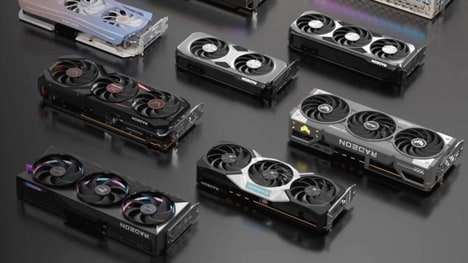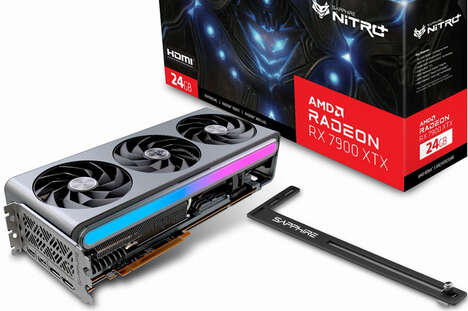

MSI Afterburner has recently been updated to incorporate support for AMD’s RX 9000 series graphics cards, which are built on the RDNA 4 architecture. This update addresses previous compatibility limitations by enabling the application to fetch and display detailed performance metrics for these new GPUs. The enhanced support facilitates accurate monitoring of parameters such as temperature, clock speeds, and power consumption, thereby providing users with a more robust tool for overclocking and system tuning. The integration was developed through community feedback and testing with devices such as the PowerColor Radeon RX 9070 XT, ensuring that the software recognizes and interacts effectively with the latest AMD hardware.
In addition to expanding hardware compatibility, the new update reinforces MSI Afterburner’s commitment to delivering a unified interface for GPU management across both AMD and NVIDIA platforms. While the software has traditionally concentrated on GPU monitoring and control, the update not only improves compatibility with modern AMD graphics cards but also integrates additional optimizations and user interface enhancements. These adjustments are aimed at delivering more consistent and reliable performance data to enthusiasts and professionals who rely on detailed system metrics for optimizing both stability and performance in demanding applications.
Image Credit: AMD
What Makes This Trend Stand Out
- Unified GPU Management Software
- The trend of developing software that seamlessly manages multiple GPU brands presents opportunities for creating integrated solutions for diverse user needs.
- Advanced GPU Monitoring Tools
- Enhanced tools that offer detailed performance metrics are gaining traction, paving the way for more sophisticated user interfaces and data visualization options.
- Community-informed Software Development
- Engaging user communities in the software update process leverages collective expertise for more robust and user-friendly product enhancements.
Sectors Adopting This
- Computer Hardware
- This industry stands to benefit from innovations in software solutions that improve interactions and performance across new generation GPUs.
- Software Development
- There is a growing need for developers skilled in crafting cross-platform, multi-device management tools for the evolving landscape of hardware technology.
- Gaming and E-sports
- The e-sports sector can leverage improved GPU management and monitoring software to enhance graphic performance and competitive play experiences.