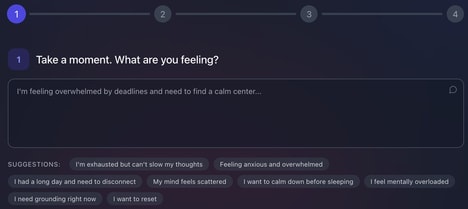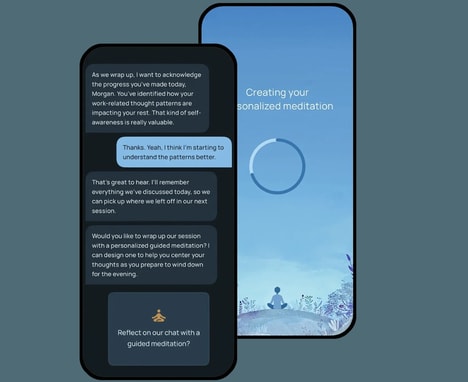
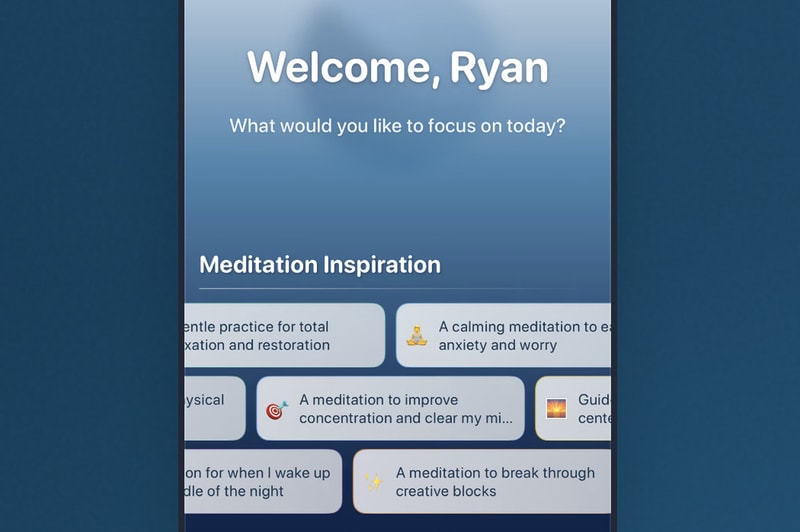
Waves is an AI-driven meditation application designed to deliver personalized mindfulness experiences based on user needs and preferences. The platform adapts meditation sessions to support goals such as stress reduction, improved focus, better sleep, and emotional balance. By tailoring content dynamically, it aims to provide a more relevant and engaging approach compared to static, one-size-fits-all programs.
From a business perspective, Waves reflects the growing demand for personalized wellness solutions powered by AI. As organizations and individuals increasingly prioritize mental health and productivity, tools that offer adaptive support can play a role in improving overall performance and well-being. The app also highlights how technology is being used to scale traditionally human-led practices like meditation, making them more accessible while maintaining a degree of customization and user-centric design.
Image Credit: Waves
What's Driving This Trend
- AI-personalized Wellness
- Platforms that tailor mindfulness and mental-health content to individual biometric and behavioral profiles enable more precise alignment of interventions with user needs.
- Adaptive Content Delivery
- Meditation experiences that dynamically adjust duration, tone, and technique based on real-time user signals create continuously optimized engagement and efficacy.
- Scalable Digital Therapies
- Automated, algorithm-driven mindfulness solutions replicate elements of human-led practice at scale, expanding access while preserving personalization.
Who This Affects Most
- Corporate Wellness
- Employee programs integrating AI-curated meditation can shift workplace health offerings toward individualized productivity and stress-management metrics.
- Consumer Health Apps
- Direct-to-consumer platforms that merge personalization algorithms with behavioral science stand to redefine user retention and health outcomes in the wellness market.
- Health Insurance
- Payers incorporating personalized mindfulness tools into coverage models may influence preventive care strategies and cost structures linked to mental-health outcomes.