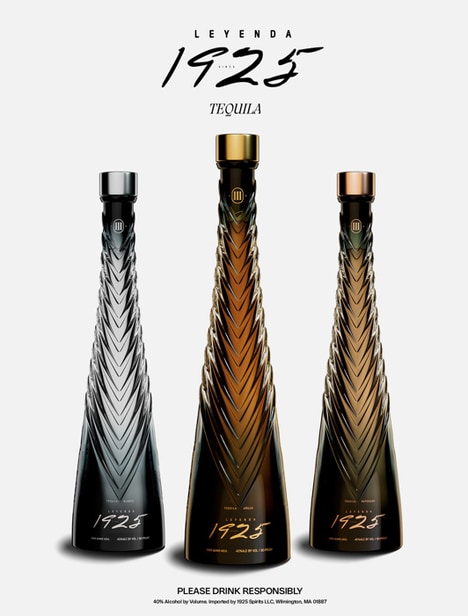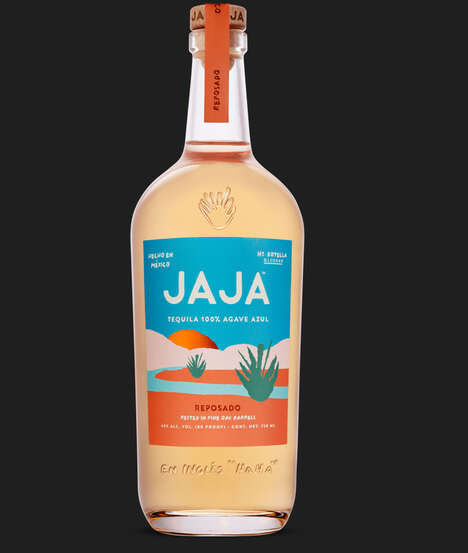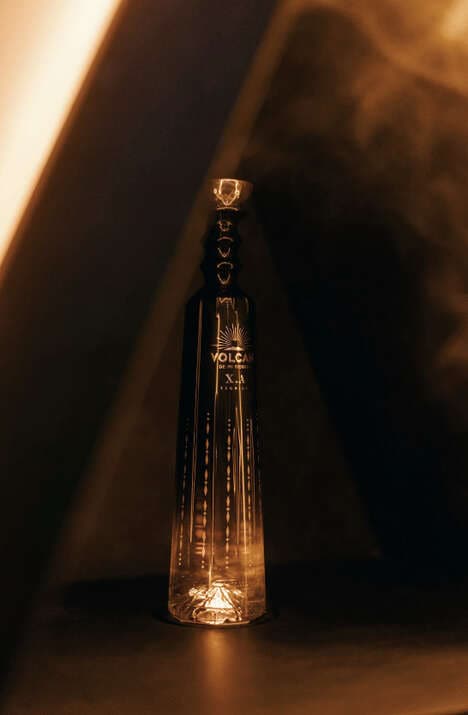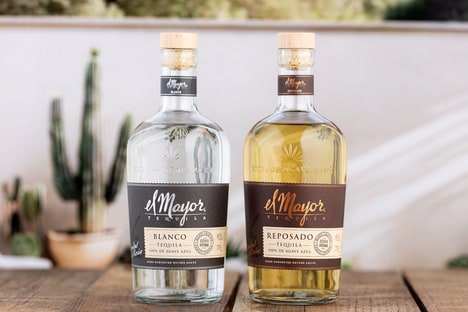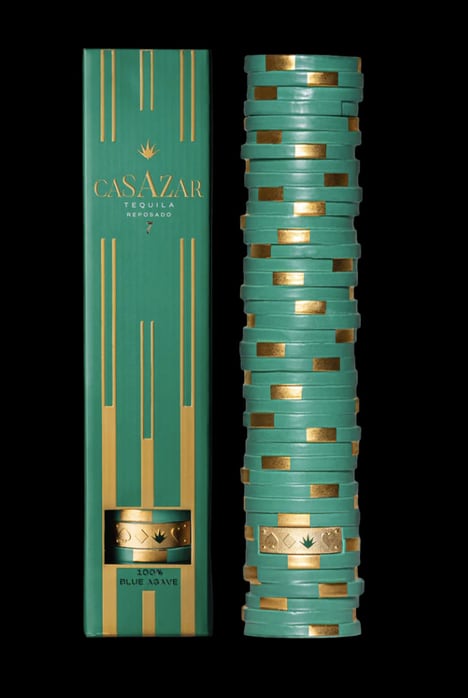
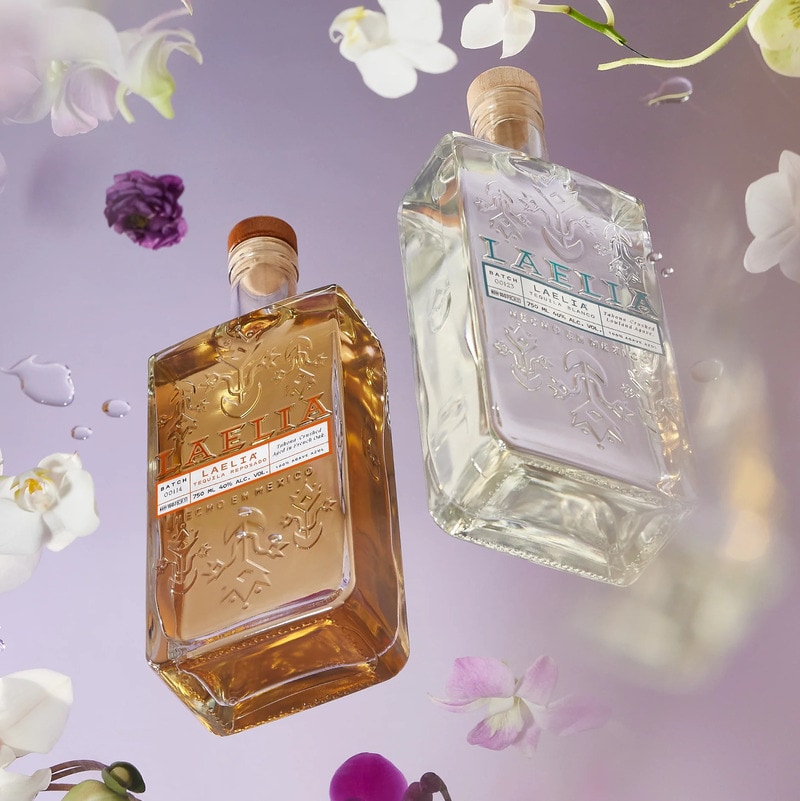
Laelia Tequila is produced in the Amatitán region of Jalisco, Mexico, by a fully Mexican-owned company known as Casa Natima. The tequila is positioned as a premium spirit that emphasizes its connection to the local environment and traditional production methods.
Laelia Tequila's process involves cooking the Blue Weber agave in brick ovens, crushing it with a large volcanic stone wheel known as a tahona, and distilling the juice in copper pot stills. The brand offers two primary varieties — a Blanco, which is briefly rested for fourteen days, and a Reposado, aged for several months in oak barrels.
Aside from the beautifully ornamental bottle that is sure to immediately draw in consumer attention, Laelia Tequila prides itself on its commitment to sustainable practices, including the use of renewable energy generated from agave waste, water recycling systems, and certifications ensuring the agave is not sourced from deforested land.
Image Credit: Laelia Tequila
Key Themes Behind This Trend
- Ornamental Spirits Packaging
- Visual appeal in spirit packaging, exemplified by ornamental designs, is captivating consumers and differentiating premium products on crowded shelves.
- Traditional Production Revival
- The revival of traditional production methods, like those used by Laelia Tequila with brick ovens and tahonas, is redefining product authenticity and consumer trust in spirits.
- Eco-conscious Distilling
- Sustainable distilling practices, including renewable energy and water recycling systems, are transforming the spirits industry by reducing environmental impacts and attracting eco-minded consumers.
Where This Applies
- Premium Alcoholic Beverages
- The rise of premium tequila brands with distinct identities and sustainability commitments is reshaping the competitive landscape of the alcoholic beverage industry.
- Sustainable Packaging
- The adoption of environmentally friendly packaging in the spirits sector is a burgeoning opportunity as brands seek to reduce their carbon footprints and appeal to eco-conscious consumers.
- Mexican Craft Spirits
- An increased demand for authentically crafted Mexican spirits, featuring traditional techniques and local ownership, is spurring growth in the specialized craft spirits industry.