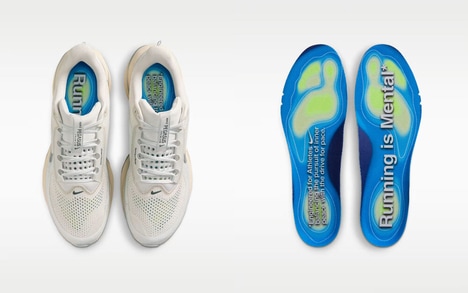

The Kith On running collaboration is adding two new performance sneakers to its Spring 2026 lineup. The debut of the ‘K-Tech 1’ and ‘K-Tech 2’ sneakers combines On’s technical running technology with Kith’s fashion-forward design.
Both models were created using On’s ‘CloudTec’ cushioning system and dual-density Helion foam midsoles for responsive support and performance. The collaboration also includes a variety of new co-branded apparel and accessories.
With running brands and running culture having a resurgence in the past few years, a collaboration between two staple running and fashion brands demonstrates the growth of the footwear and apparel space. As athletic brands increasingly merge technical design with fashion aesthetics, collaborations like Kith and On highlight how performance footwear can balance function with everyday style to appeal to modern consumers.
What Makes This Trend Stand Out
- Performance-fashion Hybridization
- Blending advanced cushioning and technical midsoles with streetwear aesthetics creates products that serve both athletic performance and daily lifestyle demands.
- Co-branded Technical Collaborations
- Partnerships between technical sports brands and fashion labels are creating platforms for shared engineering, design innovation, and amplified cultural relevance.
- Everyday Performance Footwear
- A shift toward performance features in everyday shoes is broadening the market to consumers who prioritize comfort and functionality alongside style.
Sectors Adopting This
- Athletic Footwear
- Innovations in foam compounds and cushioning systems are enabling next-generation shoes that deliver high-performance metrics while maintaining fashionable silhouettes.
- Apparel and Accessories
- Integration of performance fabrics and co-branded aesthetics is leading to multifunctional garments that bridge training needs and street-ready looks.
- Retail and E-commerce
- Omnichannel launches and limited-edition drops tied to collaborations are reshaping demand forecasting, inventory models, and direct-to-consumer engagement strategies.