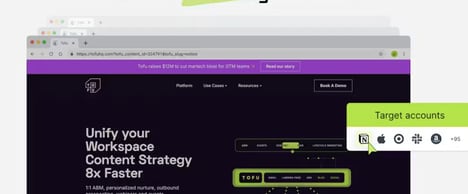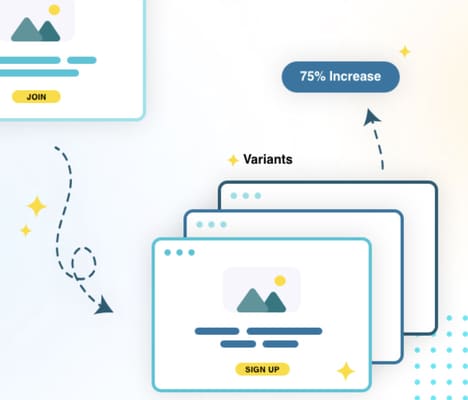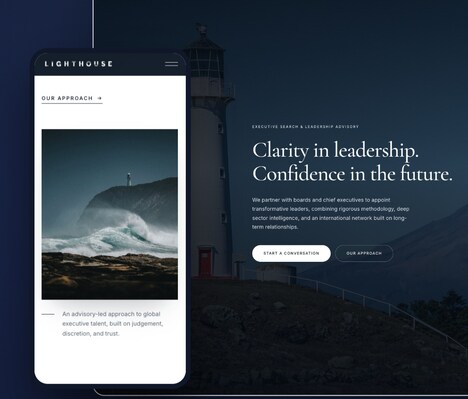
Building high-converting landing pages often requires design work, copywriting, and repeated manual customization for different audiences -- Gypsum AI is a platform designed to automate this process by generating tailored landing pages instantly.
The tool allows users to create and personalize landing pages based on specific accounts, keywords, or customer personas. This enables more targeted messaging that aligns closely with each audience segment. Gypsum AI focuses on conversion optimization by ensuring that each page is both on-brand and relevant to the intended viewer. This reduces the effort needed to create multiple variations while improving marketing performance.
The platform is designed for marketers, growth teams, and businesses that need scalable landing page creation without sacrificing personalization. It streamlines experimentation and campaign execution by making page generation fast and flexible.
Image Credit: Gypsum AI
Why This Trend Is Growing
- AI-generated Web Pages
- Automated page creation compresses design, copy, and deployment cycles into seconds, opening space for smaller teams to compete with enterprise-scale digital marketing operations.
- Hyper-personalized Campaigns
- Account-, keyword-, and persona-based messaging transforms static campaign assets into adaptive experiences that can raise relevance across fragmented customer segments.
- No-code Conversion Optimization
- Marketers gain faster experimentation capabilities as AI-assisted tools reduce reliance on technical and creative bottlenecks while preserving brand consistency.
Industries Being Reshaped
- Marketing Technology
- AI-native content generation platforms are reshaping campaign infrastructure by combining personalization, analytics, and production workflows in a single layer.
- Digital Advertising
- Performance media benefits from instantly tailored post-click experiences that align ads with landing pages more precisely across audiences and search intent.
- Web Design
- Template-based service models face pressure as generative systems produce branded, conversion-focused page variations with minimal manual design input.