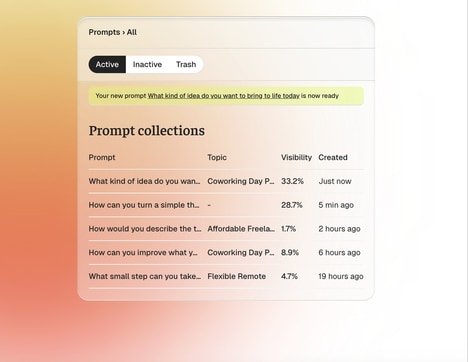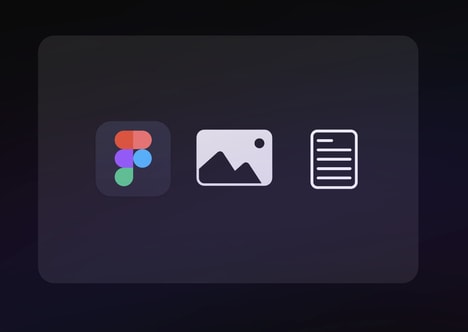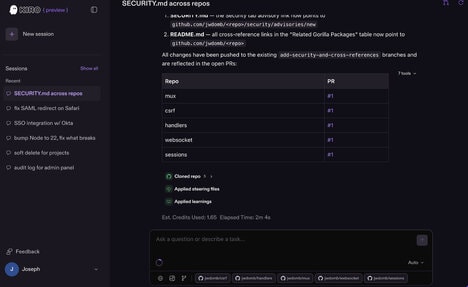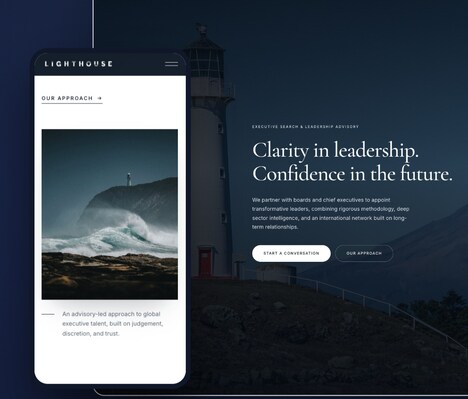
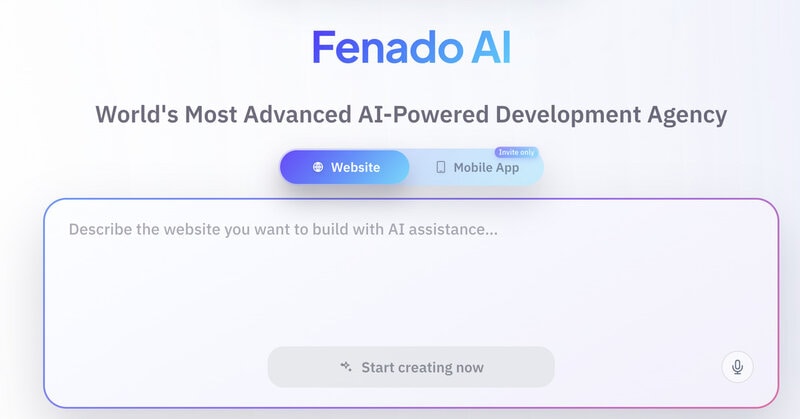
Turning an idea or product concept into a working prototype can take time, particularly when teams need to communicate a vision before development begins. Golex AI transforms ideas, product requirements documents, and UI references into interactive website prototypes without requiring users to code or write complex prompts.
The platform generates the full user flow and design based on the information provided, helping users move from an initial concept to a clickable experience quickly. These prototypes can be used for product pitches, team reviews, or testing ideas with potential users before investing in development. By automating much of the prototyping process, Golex AI makes it easier to visualise how a digital product could work. It gives founders, designers, and product teams a faster way to turn early concepts into interactive demonstrations.
Image Credit: Golex AI
What Makes This Trend Stand Out
- Promptless Prototyping
- AI systems that interpret product documents and visual references are reducing dependence on technical prompting, creating openings for faster concept validation across non-technical teams.
- Instant Demo Websites
- Clickable web experiences generated from early-stage ideas are reshaping how startups and product groups present concepts before committing design or engineering resources.
- Automated User Flows
- Machine-generated journeys based on requirements are making interaction design more accessible, with new potential in rapid testing, stakeholder alignment, and pre-build feedback.
Sectors Adopting This
- Product Design
- Design workflows are being compressed by AI prototype builders that transform briefs into interactive layouts, expanding opportunities for faster iteration and usability review.
- Startup Software
- Early-stage companies can use automated demos to communicate product value before full development, shifting how funding pitches, MVP planning, and customer discovery are conducted.
- No-code Development
- No-code ecosystems are evolving beyond static page builders as AI creates functional prototypes from plain inputs, supporting broader participation in digital product creation.