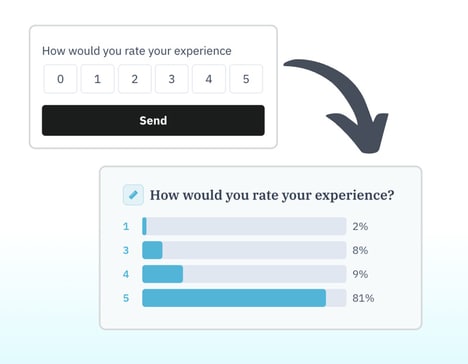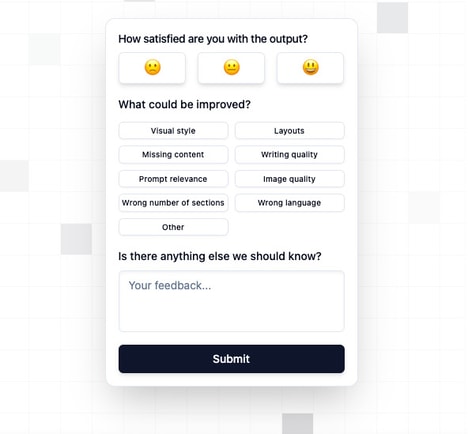
Feedback Widget Boost Toad is a browser-based feedback collection tool designed to streamline how product teams gather user insights. It allows teams to embed a customizable widget within applications, enabling users to submit bug reports, feature requests, reviews, and questions directly from the interface.
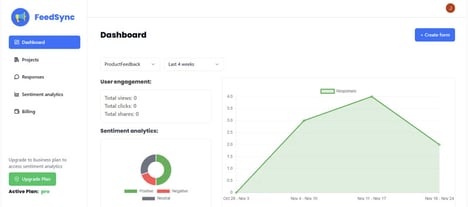
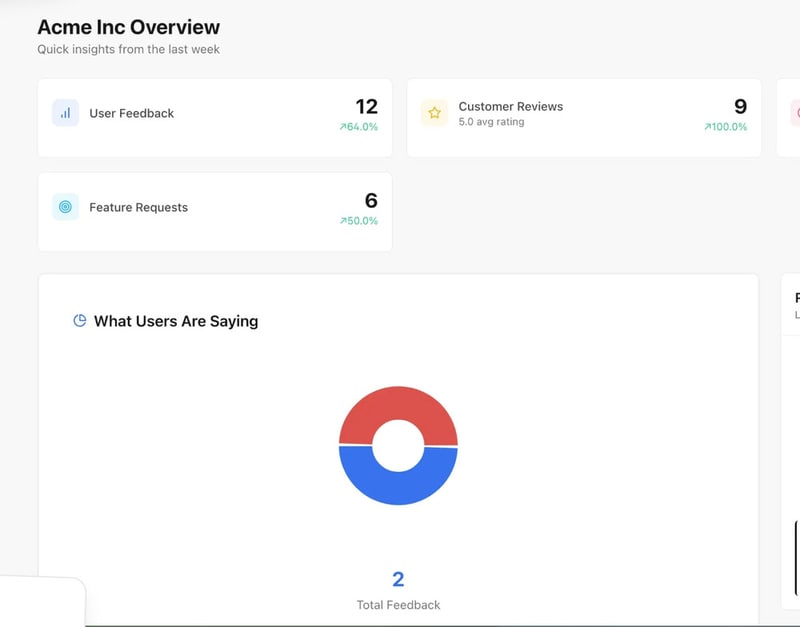
Each submission automatically includes contextual metadata such as browser type, device information, and the current page, reducing the need for follow-up clarification. The system also provides a centralized dashboard where feedback can be organized, assigned, and tracked through to resolution. Tools like this reflect a broader shift toward in-app feedback systems that improve communication between users and product teams. For businesses, such solutions can help reduce friction in issue reporting, improve product iteration cycles, and support more data-informed decision-making across development workflows and customer experience management processes.
Image Credit: Boost Toad
Why This Trend Is Growing
- In-app Feedback Widgets
- Embedded feedback interfaces reduce reliance on external channels by capturing contextual user data at the point of interaction, enabling more precise product insights.
- Contextual Metadata Capture
- Automatic collection of device, browser, and page state enriches reports with troubleshooting signals that accelerate root-cause analysis.
- Centralized Feedback Workflows
- Unified dashboards that organize, assign, and track submissions create traceable decision trails linking user reports to development outcomes.
Industries Being Reshaped
- Saas Product Development
- Product teams benefit from tighter feedback loops that inform sprint prioritization and feature roadmaps with user-validated inputs.
- Customer Experience Management
- Customer support and CX operations gain granular complaint and sentiment data that refine service policies and self-help resources.
- Quality Assurance and Testing
- QA processes are augmented by user-submitted bug reports containing precise reproduction context that improves test coverage and defect verification.