
Decision Logic has launched an embedded artificial intelligence tool called Decision Logic AI. This innovation functions as an automated operational assistant and specifically targets multi-location restaurant brands.
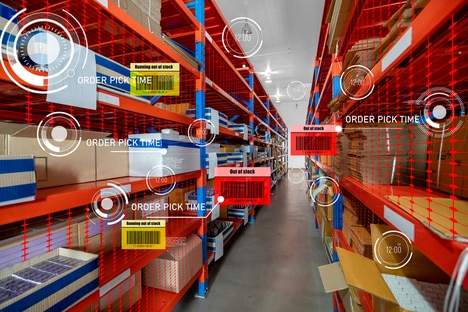
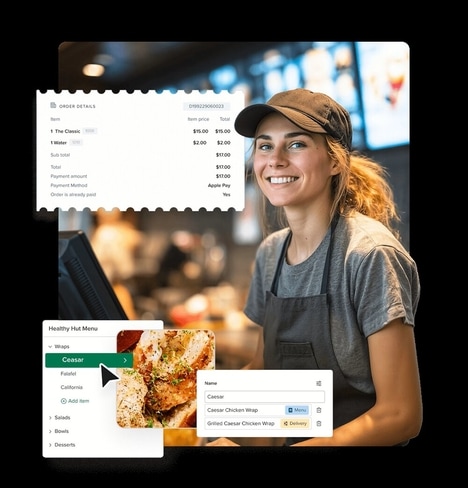
The Decision Logic AI tool can continuously monitor over 25 metrics related to sales, labor, inventory, and performance. This system proactively identifies anomalies and trends, sending prioritized alerts with explanations and recommended actions one to three days earlier than conventional reporting methods. The tool also allows managers to ask plain-language questions and receive immediate data-backed answers with visualizations.
Decision Logic reports that the outcomes of its AI assistant include a 75% reduction in time spent reviewing metrics, 95% of critical issues flagged automatically, and an average annual return on investment of 14,000 per location.
Image Credit: Decision Logic
What's Driving This Trend
- Real-time Operational AI
- Continuous monitoring and immediate prioritization of metrics enables systems that shift decision windows from retrospective to predictive, reducing response latency across distributed sites.
- Natural-language Analytics
- Plain-language query interfaces paired with visualized data create an opportunity for nontechnical staff to access complex insights without specialized training.
- Predictive Anomaly Detection
- Early automated identification of deviations across sales, labor, and inventory metrics supports proactive issue resolution before problems cascade.
Who This Affects Most
- Multi-location Restaurants
- Chain restaurants that manage dozens or hundreds of sites can realize substantial efficiency and ROI gains by embedding AI assistants that surface critical issues and contextual recommendations.
- Retail Chain Management
- Large-format and omnichannel retailers stand to benefit from centralized anomaly alerts and natural-language dashboards that harmonize inventory and labor planning across stores.
- Workforce Management Software
- Scheduling and labor optimization platforms could integrate AI-driven alerts and explanatory analytics to improve staffing accuracy and reduce managerial review time.