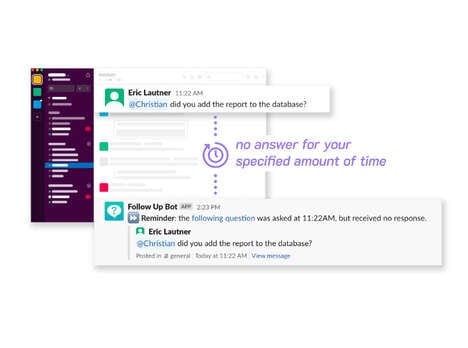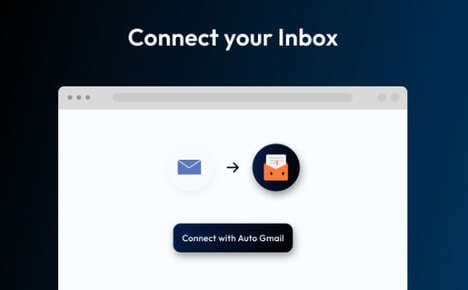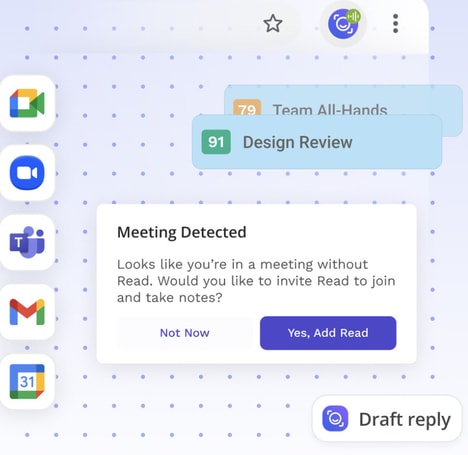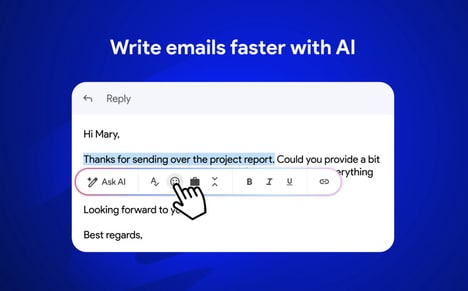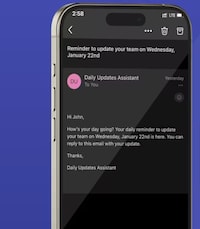
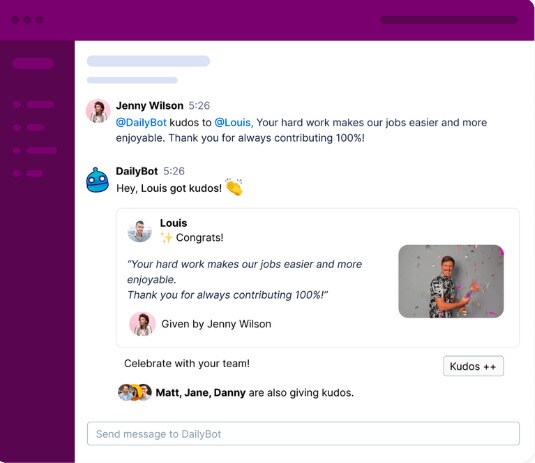
DailyBot for Gmail is a productivity tool designed to bring asynchronous collaboration directly into Gmail chat. Tailored for teams that operate across time zones or rely on non-synchronous communication, it enables automated standups, check-ins, and workflow reporting without needing a full G-suite setup.
This integration streamlines internal updates by keeping everything within Gmail’s familiar environment, reducing context-switching and improving team visibility. For operations, project management, or remote-first teams, the tool can support daily progress tracking and issue surfacing, helping managers stay informed without micromanaging. Its utility lies in reducing meeting fatigue while maintaining alignment, making it particularly relevant for companies focused on efficiency, remote collaboration, and lean operations. By embedding asynchronous updates into Gmail, it enhances accountability and simplifies team reporting in a lightweight, accessible format.
Image Credit: DailyBot
Why This Trend Is Growing
- Asynchronous Communication
- This trend allows teams to collaborate effectively without needing simultaneous communication, minimizing the hurdles of different time zones.
- Automated Workflows
- Integrating automation in team check-ins and progress reports presents a significant shift by reducing manual follow-ups and increasing focus on core tasks.
- Context-within-platform Solutions
- Embedding collaboration tools directly into platforms like Gmail reduces the need for platform switching and streamlines productivity.
Industries Being Reshaped
- Remote Work Tools
- As more workforces adopt remote and hybrid models, tools that enhance asynchronous communication are becoming essential for maintaining productivity and team cohesion.
- Productivity Software
- The growing need for solutions that reduce meeting fatigue and improve workflow efficiency is driving innovation in productivity tools.
- Collaborative Platforms
- Platforms that integrate multiple functions in a single interface are disrupting traditional collaboration methods by providing seamless user experiences.