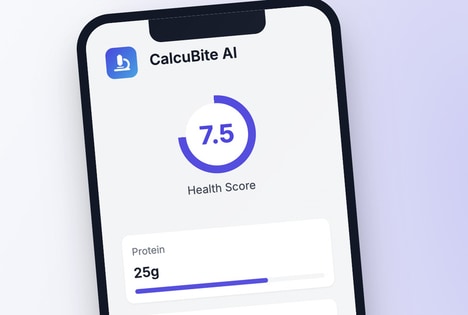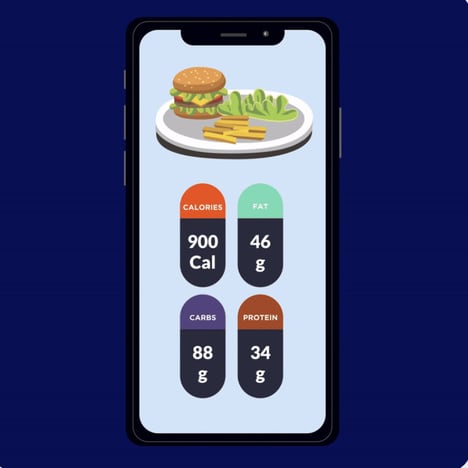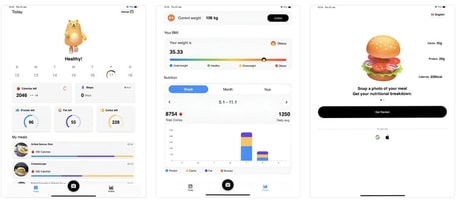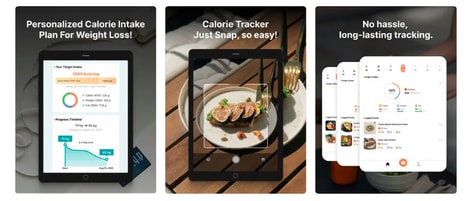
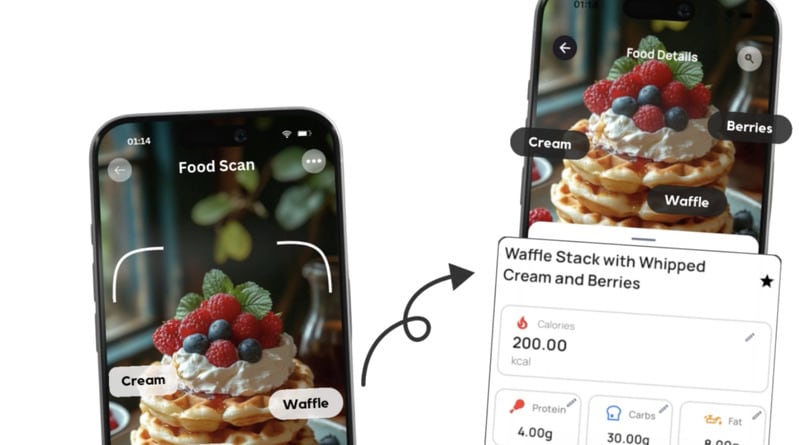
Calor AI is an AI-powered calorie and macro tracking platform designed to simplify nutritional monitoring. Users can log meals by snapping a photo or scanning a barcode, allowing the system to automatically identify foods and calculate calorie and macronutrient content.
The platform provides a visual, data-driven approach to diet management, making it easier to track intake without manual entry. Beyond calorie counting, Calor AI can help users analyze patterns in their nutrition, identify trends in macronutrient consumption, and support dietary goals with detailed insights. The platform’s automation reduces the time and effort typically required for food tracking, offering an alternative to traditional manual methods. For individuals focused on health, fitness, or dietary planning, Calor AI functions as a streamlined tool for managing daily nutrition efficiently.
Image Credit: Calor AI
Key Themes Behind This Trend
- AI-powered Nutrient Recognition
- Automated image and barcode analysis that identifies ingredients and estimates macros presents opportunities for consumer-facing platforms to deliver near-instant dietary assessment at scale.
- Visual Food Logging
- Photo-first meal tracking replaces manual entry with an intuitive visual record, enabling richer contextual datasets for personalized nutrition modeling.
- Macro Pattern Analytics
- Longitudinal analysis of macronutrient trends across meals creates the basis for predictive dietary insights and targeted nutrition interventions.
Where This Applies
- Digital Health Platforms
- Health apps and telemedicine services can leverage automated nutrition data to enhance remote monitoring and integrate dietary metrics into clinical decision support.
- Fitness and Wellness
- Gyms, personal trainers, and wellness brands stand to benefit from seamless macro tracking that augments performance programming and client progress measurement.
- Food Retail and Packaging
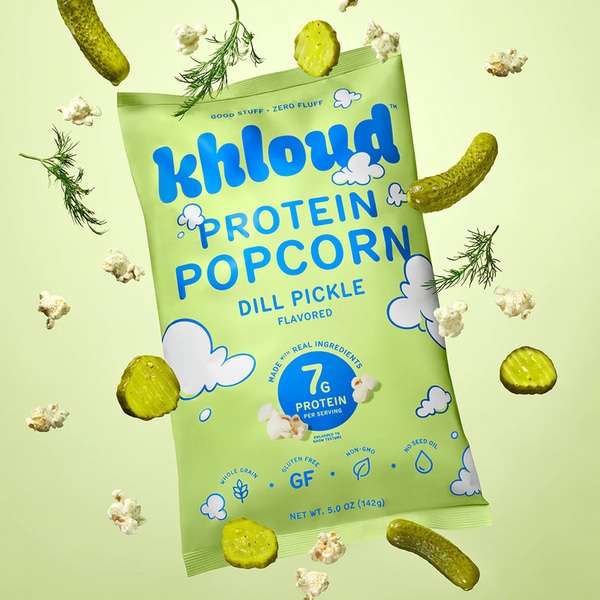
- Grocery retailers and packaged-food manufacturers could capitalize on barcode-driven nutrient recognition to offer dynamic labeling, personalized recommendations, and data-driven product development.