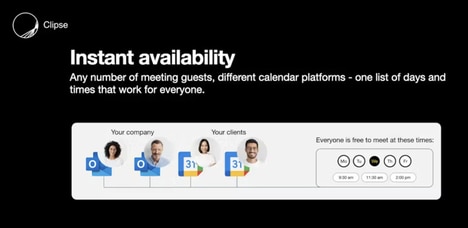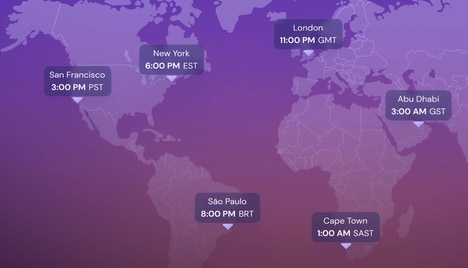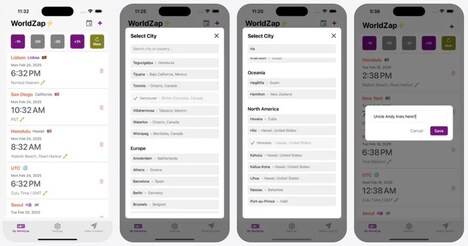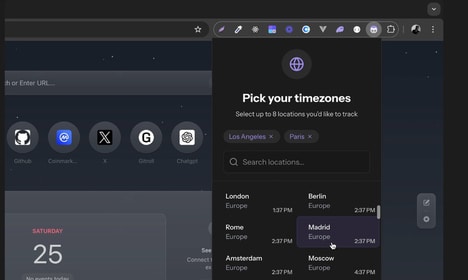
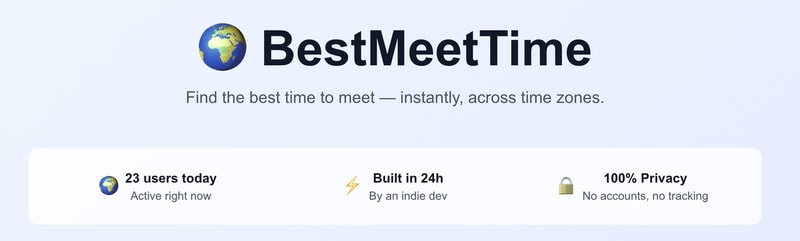
Scheduling meetings across different regions can be challenging when participants are working in separate time zones, but BestMeetTime is a scheduling tool designed to identify suitable meeting windows by comparing availability across multiple locations.
The platform analyzes time differences and highlights overlapping hours, helping users quickly find times that work for everyone involved. This reduces the manual effort often required when coordinating international teams, clients, or distributed groups. These tools are designed to simplify the planning process for recurring or one-off meetings.
BestMeetTime focuses on making global collaboration easier by turning complex time zone calculations into a clear visual overview. It helps users spend less time coordinating schedules and more time preparing for the conversations that matter.
Image Credit: BestMeetTime
Why This Trend Is Growing
- Time Zone Automation
- Automated time zone intelligence reduces coordination friction for distributed teams by transforming regional availability data into instantly usable meeting windows.
- Visual Scheduling Interfaces
- Clear visual overlays for availability create room for more intuitive collaboration tools that replace manual calendar comparisons with shared decision views.
- Distributed Team Coordination
- Asynchronous and global work patterns are expanding demand for platforms that combine scheduling, availability, and collaboration context across remote organizations.
Industries Being Reshaped
- Productivity Software
- Calendar and workflow platforms can differentiate through embedded global scheduling features that simplify coordination across increasingly international user bases.
- Remote Work Technology
- The rise of distributed employment supports new tools that treat location, time zones, and team availability as core infrastructure for daily operations.
- Enterprise Collaboration
- Large organizations benefit from coordination systems that connect meeting planning with communication platforms, reducing administrative overhead across multinational teams.