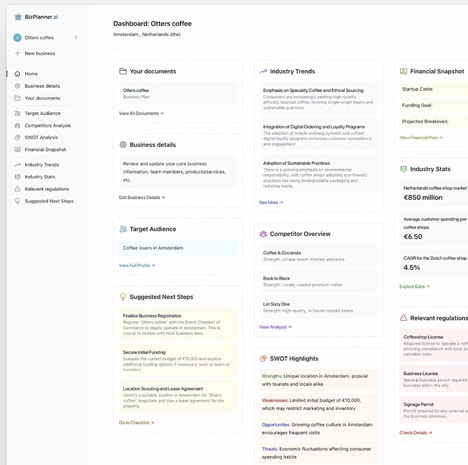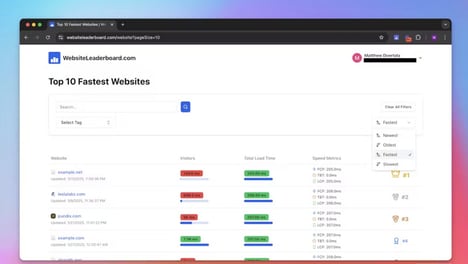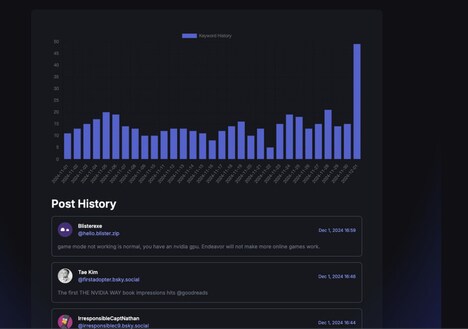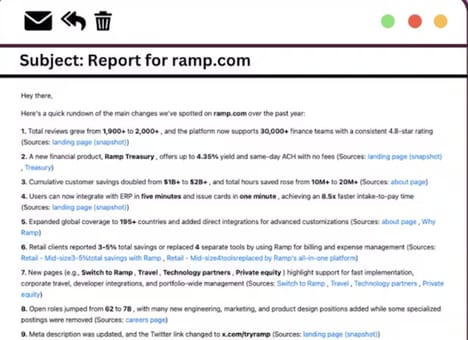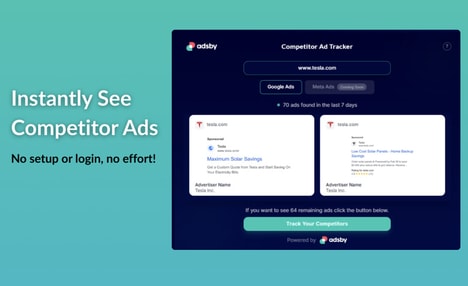

Bardeen Community Playbook is a digital tool designed to support competitor monitoring and real-time alerts. Developed collaboratively at an AI-focused event, the platform allows users to track competitor activity, receive notifications, and stay updated on market developments.
By aggregating data and automating monitoring tasks, it helps organizations and professionals maintain awareness of strategic moves, pricing changes, product launches, or other industry shifts. From a business perspective, solutions like Bardeen Community Playbook highlight the value of timely intelligence in competitive strategy. By providing structured insights and actionable alerts, the tool can improve decision-making, reduce response time, and enhance market positioning. Such platforms reflect broader trends in AI-assisted business intelligence, where automation and community-driven data contribute to more efficient competitive analysis and strategic planning.
Image Credit: Bardeen Community Playbook
What Makes This Trend Stand Out
- AI-assisted Competitive Intelligence
- Capabilities in automated pattern recognition and contextual summarization could enable near-instant synthesis of competitor moves into strategic insights for decision-makers.
- Community-driven Data Aggregation
- Crowdsourced inputs combined with shared playbooks may create collective intelligence layers that outpace single-organization data sources in coverage and relevance.
- Real-time Alert Automation
- Persistent monitoring and prioritized push notifications have the potential to shift competitive advantage toward entities that react faster to micro-shifts in market conditions.
Sectors Adopting This
- Market Research Firms
- Integration of AI-driven monitoring could transform legacy research offerings into continuously updated intelligence services with higher frequency and lower marginal cost.
- Saas Product Development
- Embedding community-sourced competitor signals into product roadmaps may lead to more adaptive feature prioritization and differentiated product-market fit dynamics.
- Retail Pricing Strategy
- Automated competitor price tracking tied to dynamic pricing engines might enable more granular, time-sensitive pricing strategies that erode traditional static price models.