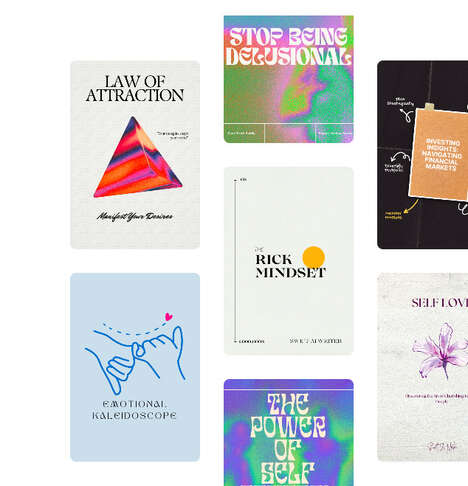
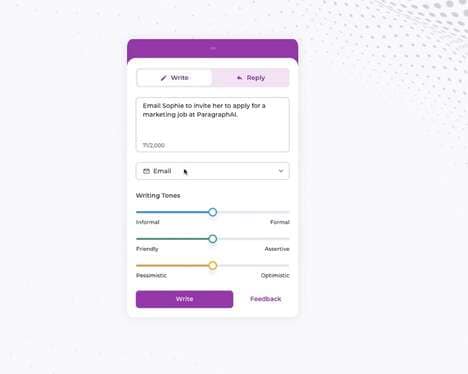
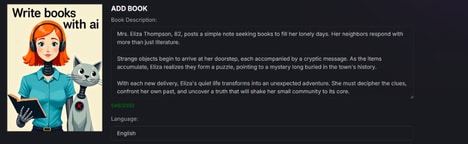
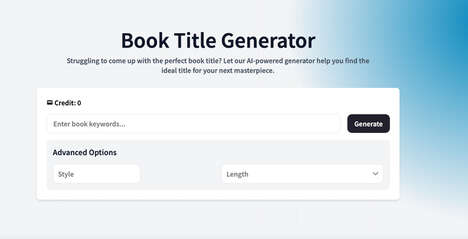
The New York Times reports that Philip M. Parker has written more than 200,000 books with the help of computer software he created; making him, "The most published author in the history of the planet."
Parker, a chaired professor of management science at Insead, has developed computer algorithms that collect publicly available information on a subject. Then, with help from 60 to 70 computers and six or seven programmers, he transforms the results into books. The books cover a wide range of genres, with most titles being about 150 pages. The books are printed only when a customer buys one.
What Makes This Trend Stand Out
- Algorithm Authoring
- Opportunity to develop software that automates the process of generating books and content using computer algorithms.
- Data-driven Publishing
- Potential to create a publishing industry that relies on algorithms and publicly available data to generate a wide range of books.
- On-demand Printing
- Disruptive potential in the printing industry by only printing books when a customer purchases one, reducing inventory costs.
Sectors Adopting This
- Software Development
- Opportunity for software developers to create algorithms and tools specifically designed for generating books and written content.
- Publishing
- Potential for the publishing industry to adopt algorithm-based approaches to generate a variety of books, catering to different niches and interests.
- Printing Services
- Disruptive potential for printing companies to adapt to on-demand printing technologies, reducing overhead costs and optimizing book production.