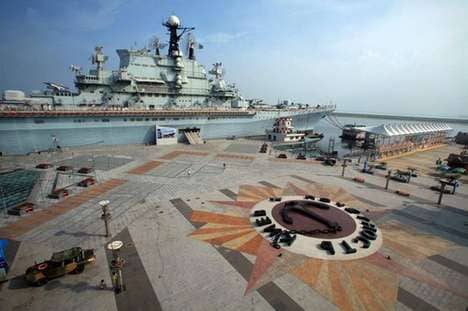
The owners of the Tianjin Binhai Aircraft Carrier have outfitted the flotilla into a luxury hotel with phenomenal results. Once a zone for war, this ship has undergone an extreme transformation.
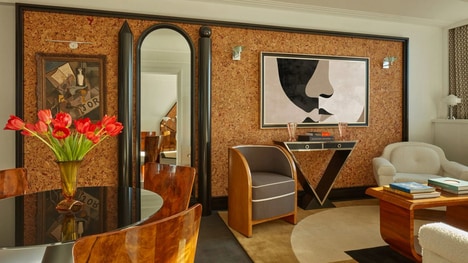
After an initial investment by the owners of $100 million on renovations and interior decoration, this 6,000-square-meter, retired Soviet vessel now serves as a floating hotel, complete with two presidential suites. Despite boasting luxurious rugs, high-tech TVs and on-call sea captains, the Tianjin Binhai Aircraft Carrier's rugged exterior reminds us of the hotel's educational purpose. Most people have never been inside a modern warship, so the resort will offer extreme comfort, as well as give visitors the opportunity to explore the expansive structure. The view isn't bad either!
What's Driving This Trend
- Floating Hotels
- Transforming retired warships into luxury hotels presents a disruptive innovation opportunity in the hospitality industry.
- Nautical Tourism
- Creating unique and immersive experiences on retired naval vessels opens up new possibilities for the tourism industry.
- Warship Interior Design
- Leveraging the rugged aesthetic of warships for interior design in hotels and other spaces offers a disruptive approach to design and architecture.
Who This Affects Most
- Hospitality
- Retired naval vessels converted into luxury hotels create opportunities for the hospitality industry to offer unique and memorable experiences.
- Tourism
- Repurposing retired warships for nautical tourism introduces a new dimension to the tourism industry, attracting adventure-seeking travelers.
- Design and Architecture
- Adopting warship interior design elements in hotels, restaurants, and other spaces presents innovative opportunities for the design and architecture industry.