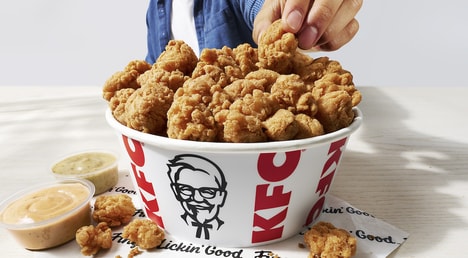
KFC is replacing Pepsi with Coca-Cola across its U.S. restaurants, giving American diners a different default drink order with their chicken after nearly 40 years of the same soda partner. The shift starts in January 2027 and remakes the chain's fountain offering around Coca-Cola brands instead of PepsiCo ones.
By spring 2027, U.S. locations are expected to pour Coca-Cola products, so regulars who normally reach for Pepsi will see that familiar pairing disappear. The swap stops at the border, and overseas KFC restaurants stay with Pepsi, which keeps the global system split between two soda suppliers.
A January 2027 start turns the beverage station into part of KFC's U.S. comeback effort, because a drink choice is one of the most routine brand signals in quick-service dining. Keeping Pepsi abroad while changing U.S. stores also gives KFC room to refresh the domestic visit without forcing the same reset across every market.
Image Credit: Nurphoto
Why This Trend Is Growing
- Beverage Partnership Resets
- Long-term supplier switches in quick-service restaurants create new space for menu bundling, loyalty tie-ins, and co-branded customer experiences.
- Localized Brand Portfolios
- Regional differences in supplier strategy reveal opportunities for restaurant chains to tailor familiar offerings without disrupting global operating models.
- Routine Experience Refreshes
- Everyday touchpoints like fountain drinks can become strategic signals of brand renewal when core menus remain largely unchanged.
Industries Being Reshaped
- Quick-service Restaurants
- Major beverage changes can reshape default meal pairings and influence how restaurant brands modernize customer perception at scale.
- Soft Drinks
- Fountain exclusivity deals highlight competitive openings for soda brands to gain habitual consumption moments through restaurant partnerships.
- Foodservice Distribution
- Large-scale supplier transitions create demand for coordinated equipment, logistics, and inventory systems across franchised restaurant networks.