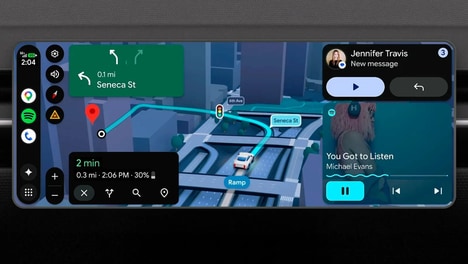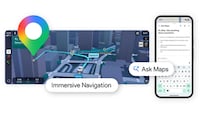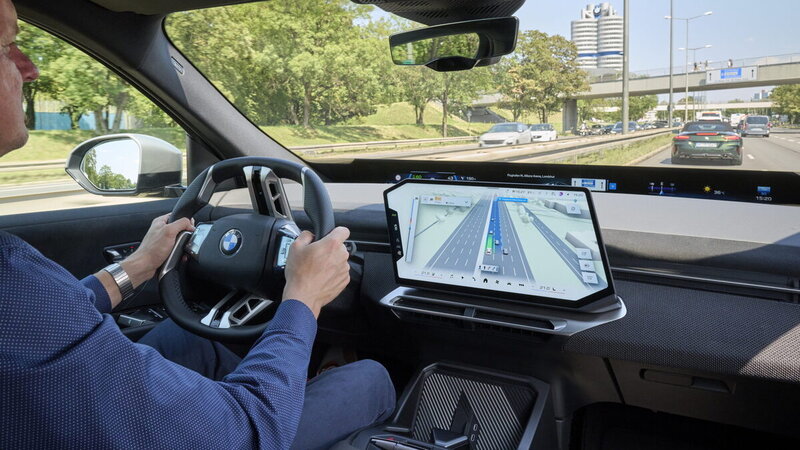
BMW is introducing assistance-integrated navigation with BMW Maps, combining route guidance, environmental perception and driver-assistance information within a single 3D view. Launching in October 2026 for vehicles equipped with BMW Operating System X, the display positions the vehicle within its correct lane and road level while showing surrounding traffic and active assistance functions. The system also works alongside Highway Assistant 2, which supports hands-free highway driving at speeds up to 130 km/h, with navigation-guided urban assistance planned from 2027.
For BMW, bringing navigation and assisted driving into one interface can make increasingly automated features easier for drivers to understand and use. The Mapbox-supported system also gives BMW a software-based differentiator that can evolve alongside its vehicles. As assisted driving expands into more complex environments, tighter integration between mapping, sensors and vehicle controls could strengthen BMW’s digital ecosystem while encouraging adoption of advanced assistance features.
Image Credit: BMW
Key Themes Behind This Trend
- Assistance-integrated Maps
- Unified navigation and driver-assistance displays create room for software platforms that make automated vehicle behavior easier to interpret in real time.
- Lane-level Visualization
- Precise 3D positioning across lanes and road levels introduces new potential for context-aware interfaces that reduce driver uncertainty in complex environments.
- Navigation-guided Autonomy
- Route-aware assistance systems signal a shift toward vehicles that blend mapping, perception and control for more seamless semi-automated driving experiences.
Where This Applies
- Automotive Software
- Software-defined vehicle ecosystems gain differentiation through continually updated navigation, perception and assistance layers embedded into the driving interface.
- Digital Mapping
- High-definition map providers become more central as automakers require real-time, lane-accurate spatial data to support advanced assistance features.
- Advanced Driver Assistance
- Driver-assistance technologies are moving beyond isolated functions as integrated visualization and control systems make automation more accessible to mainstream drivers.