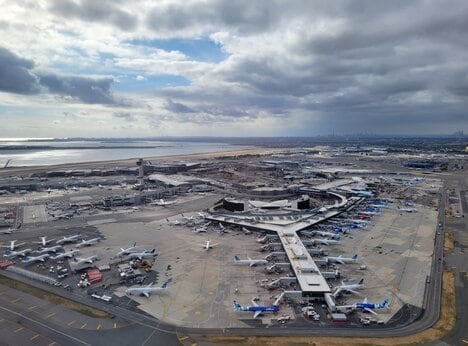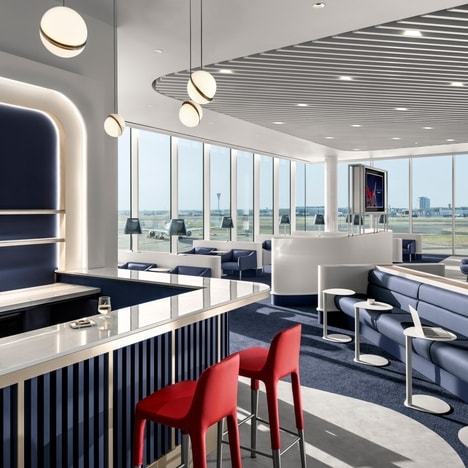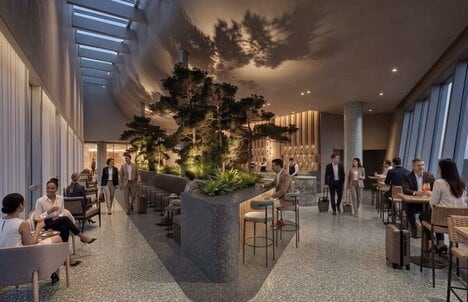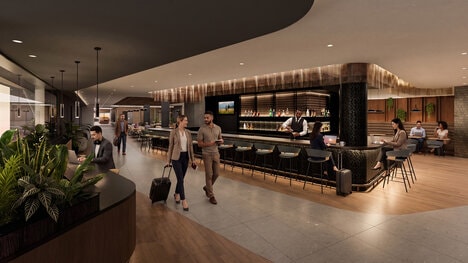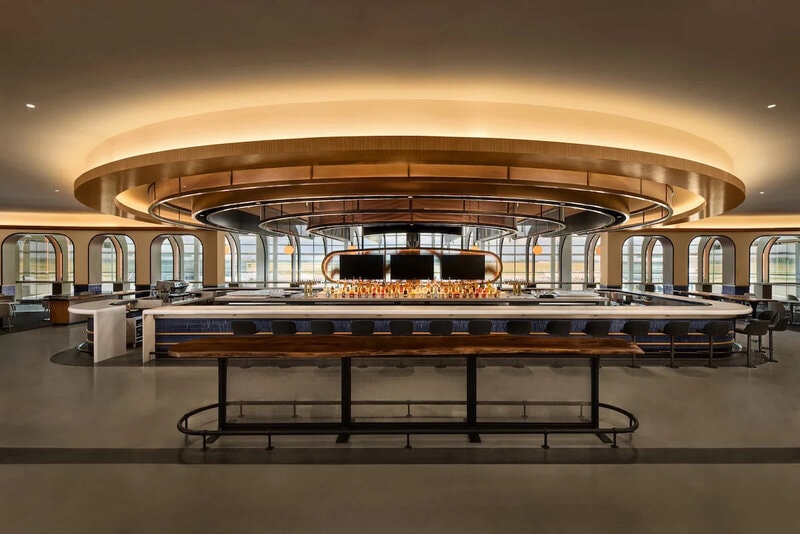
United is expanding its Houston hub with a ‘United Club’ in the Terminal B North Concourse at George Bush Intercontinental Airport. Now open to flyers, the 54,000-square-foot lounge offers a larger place to sit, eat or take calls before boarding. It holds 800 guests, making it the largest airline lounge in the Americas.
A terrace gives travelers space away from the gate area, while phone booths create quieter spots for solo work. The opening also deepens United’s footprint in Houston, where the airline now operates seven lounge facilities across the airport.
With an reported 800-guest capacity, the lounge turns access at a busy hub into both a crowd-management tool and a loyalty perk. With seven lounges at one airport, United’s lounge network is part of the broader terminal experience, not just a side amenity.
Image Credit: One Mile at a Time
Key Themes Behind This Trend
- Mega-lounge Expansion
- Large-format airport lounges are reshaping premium travel by combining crowd relief, dining, work zones, and loyalty benefits into scalable hub infrastructure.
- Terminal-based Workspaces
- Quiet booths, terraces, and call-friendly seating reflect growing demand for airport environments that support productivity before boarding.
- Loyalty-driven Capacity
- High-capacity lounge access is becoming a strategic differentiator as airlines use physical amenities to deepen member engagement and manage passenger flow.
Where This Applies
- Airlines
- Carrier-operated lounges are evolving into core brand assets that influence traveler preference, premium membership value, and hub competitiveness.
- Airport Infrastructure
- Expanded lounge networks create new models for terminal planning where passenger comfort, circulation, and commercial design are increasingly integrated.
- Business Travel
- Premium airport spaces with work-ready features support shifting expectations among frequent flyers who need quieter, more flexible pre-flight environments.