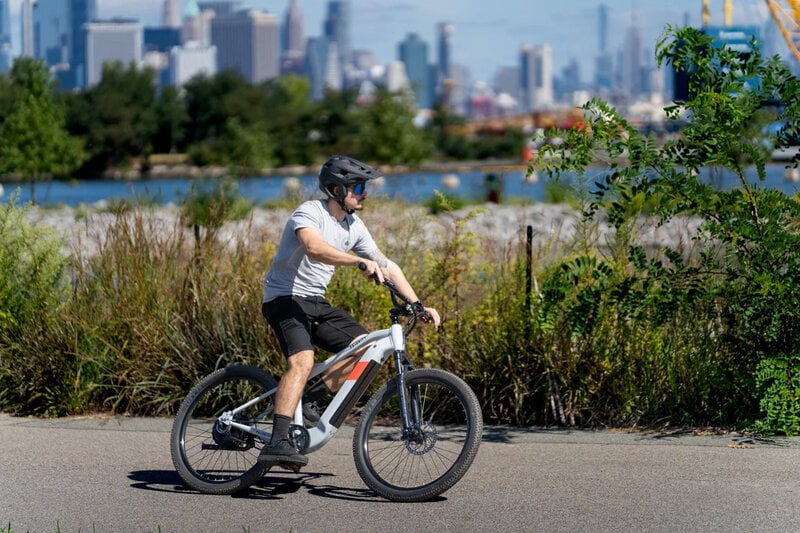
Priority transformed its 'Sauce' bike into the 'E-Sauce,' an electric model built for commuting and trail use. The new version pairs a 750 W rear hub motor with pedal assist and a Gates carbon belt drive, delivering smooth acceleration with less chain maintenance.
Its 720 Wh removable battery is said to deliver 60 miles of range on a single charge, extending how far a rider can go before plugging in. The bike also ships as a class 2 model with a 20 mph speed limit, keeping it within a familiar assisted-cycling format.
At $2,199, the E-Sauce brings a fat-tire e-bike into a price band that still demands utility. The belt drive and removable battery make it easier to treat the bike as a daily vehicle instead of a weekend toy.
Image Credit: Priority
Key Themes Behind This Trend
- Utility-focused E-bikes
- Affordable electric bikes designed for both commuting and recreation create openings for mobility brands to replace short car trips with versatile daily-use vehicles.
- Low-maintenance Belt Drives
- Carbon belt drive systems reduce upkeep and improve ownership convenience, supporting differentiation in crowded micromobility markets.
- Removable Long-range Batteries
- Swappable high-capacity batteries extend ride flexibility and make e-bikes more practical for apartment dwellers, commuters, and mixed-use riders.
Where This Applies
- Micromobility
- Hybrid commuter-trail e-bikes broaden the category beyond urban transport, signaling demand for rugged models that serve multiple everyday mobility needs.
- Outdoor Recreation
- Electrified fat-tire bikes lower the barrier to trail access and introduce new product opportunities for riders seeking assisted exploration.
- Urban Transportation
- Daily-ready e-bikes with practical range and reduced maintenance strengthen the case for compact electric vehicles within city transportation ecosystems.