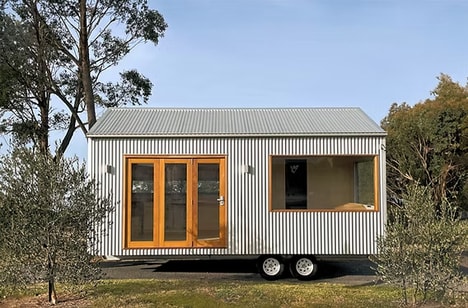
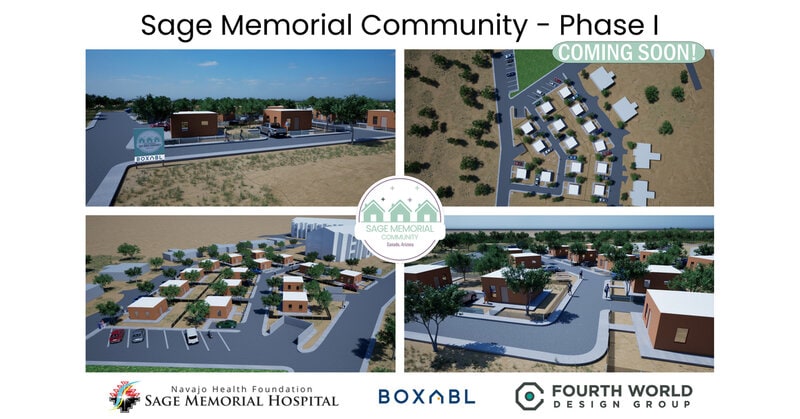
BOXABL is expanding modular healthcare workforce housing through a project with Sage Memorial Hospital in Arizona, providing factory-built residences for clinical and support staff. The Studio Casitas offer an alternative to conventional construction, allowing hospitals to increase nearby accommodation options while addressing housing challenges that affect employee recruitment and retention.
The project's initial phase includes 15 units, with deliveries expected over approximately 60 days and completion targeted for the end of 2026. Each Casita provides 361 square feet of living space, including a kitchen, bathroom, and utilities. The units are designed for rapid deployment, with structures capable of unfolding on-site in under an hour.
For BOXABL, the development could create additional opportunities within institutional housing markets. The project may also demonstrate how modular construction can support healthcare staffing needs in underserved rural communities.
Image Credit: Boxabl
Why This Trend Is Growing
- Modular Staff Housing
- Factory-built residences compress construction timelines for employers facing labor shortages, creating new models for colocated workforce support in high-need sectors.
- Rural Healthcare Retention
- Proximity-based housing benefits can strengthen recruitment in underserved communities where limited residential supply directly affects hospital staffing stability.
- Rapid-deploy Casitas
- Foldable micro-units introduce flexible infrastructure options for institutions needing scalable accommodation without the delays of conventional development.
Industries Being Reshaped
- Healthcare
- Hospitals gain alternative real estate tools that connect workforce planning with housing access, especially in regions where staffing shortages threaten service continuity.
- Modular Construction
- Prefabricated building systems are expanding beyond residential consumers into institutional markets that value speed, repeatability, and lower onsite complexity.
- Workforce Housing
- Employer-supported accommodations are becoming strategic assets for organizations competing for essential workers in constrained or remote housing markets.