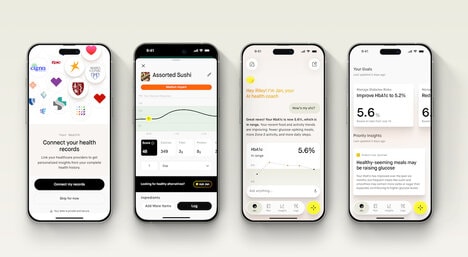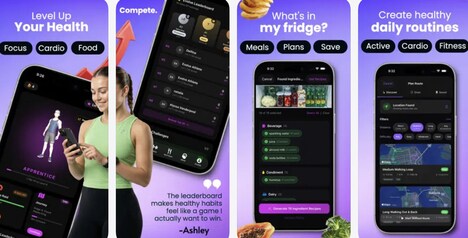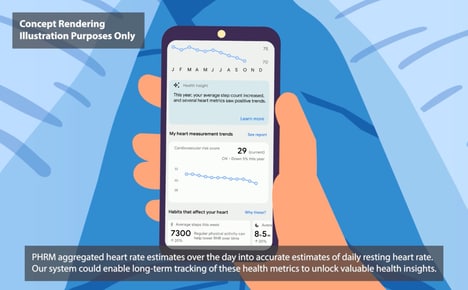
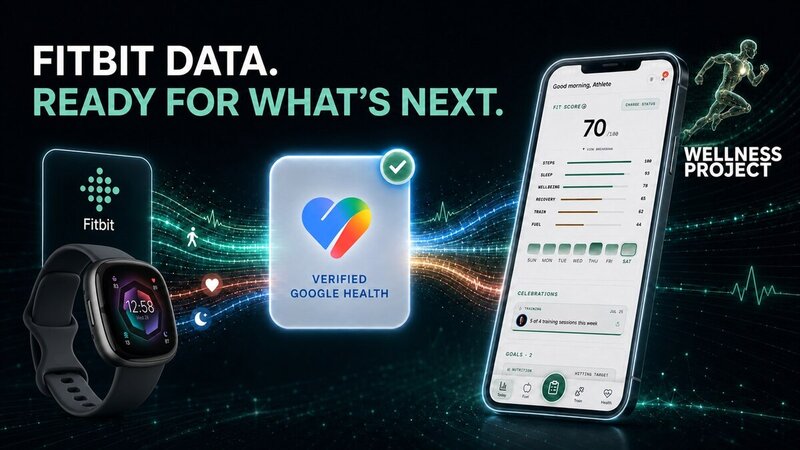
Wellness Project, an AI-powered health and fitness platform, has launched a direct integration with the new Google Health API. This move enables Fitbit and Pixel Watch users to sync their health data into a unified, longitudinal record that can be analyzed within the platform or securely connected to external AI assistants like ChatGPT and Claude. This launch is particularly timely as Google prepares to retire its legacy Fitbit Web API in September 2026, which may leave some existing integrations non-functional unless developers complete a rigorous restricted-scope verification process.
Health data is often siloed across different devices and applications, making it difficult to see the full picture of one's wellbeing. With the upcoming API transition, many users risk losing access to apps they rely on for analyzing their Fitbit data, forcing them to either start over or seek alternatives. Wellness Project's upcoming Google Health API transition ensures continuity for those users.
Image Credit: Wellness Project
What Makes This Trend Stand Out
- Unified Health Records
- Longitudinal wellness profiles built from wearables and apps create room for more contextual AI analysis across fitness, sleep, recovery, and chronic health patterns.
- AI Wellness Assistants
- Consumer access to structured health data through tools like ChatGPT and Claude signals a shift toward personalized guidance that blends everyday biometrics with conversational intelligence.
- API Transition Continuity
- Platform changes such as the retirement of legacy health APIs highlight demand for migration-ready services that preserve user data access and prevent disruption across connected wellness ecosystems.
Sectors Adopting This
- Digital Health
- Interoperable health-data infrastructure expands the potential for preventive care platforms that translate fragmented personal metrics into ongoing wellness insights.
- Wearable Technology
- Fitbit and Pixel Watch data integrations strengthen the value of connected devices by turning passive tracking into portable, AI-readable health histories.
- Health Data Security
- Restricted-scope verification and secure data connections create market space for privacy-first systems that manage consent, compliance, and trusted AI access to sensitive biometric information.