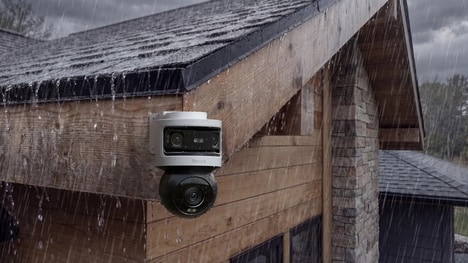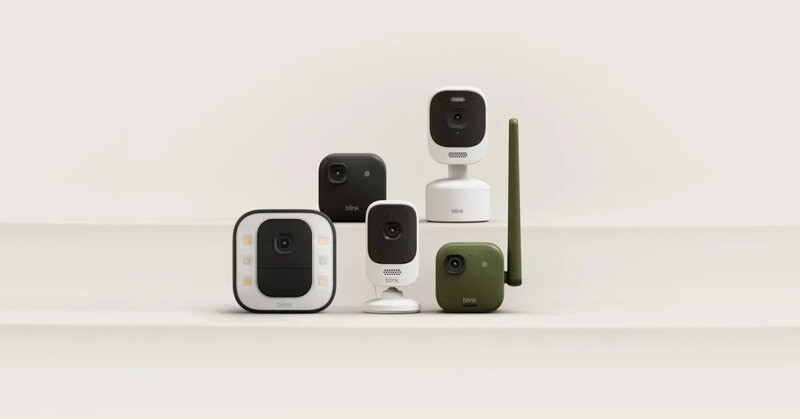
Blink is expanding extended-range security cameras with a new lineup designed to monitor areas beyond conventional home surveillance coverage. The Frontier XR+ connects through the Sync Module XR+ hub, allowing users to observe distant gates, livestock areas, and outbuildings without positioning cameras near their homes.
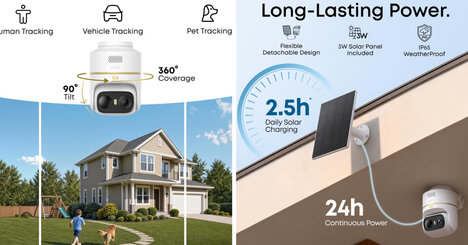
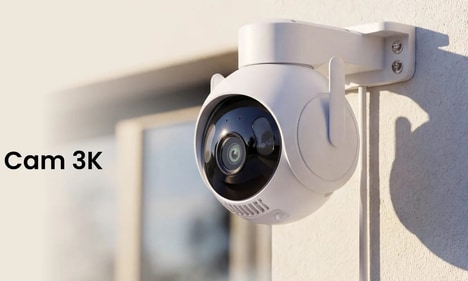
With an unobstructed connection, the Frontier XR+ supports distances reaching 7,000 feet. Blink also introduces its first 4K camera, featuring Wi-Fi 6 connectivity and AI-generated activity descriptions for eligible subscribers. Additional models include a battery-powered spotlight camera and a pan-tilt device offering flexible viewing angles. Prices begin at $49.99 USD.
For Blink, the expanded collection creates opportunities to serve customers with different property sizes and monitoring requirements. Combining long-distance connectivity, improved image quality, and automated activity summaries could attract more buyers while broadening the brand's presence in residential and remote property security.
Image Credit: Amazon
What's Driving This Trend
- Long-range Surveillance
- Extended wireless coverage creates new value for rural homes, farms, and large properties that need monitoring beyond standard residential camera limits.
- AI Activity Summaries
- Automated event descriptions shift security systems from passive recording tools into context-aware services that reduce review time for users.
- 4K Smart Monitoring
- Higher-resolution imaging paired with modern connectivity strengthens remote visibility and supports more detailed property intelligence.
Who This Affects Most
- Home Security
- Connected camera ecosystems are expanding beyond urban and suburban use cases, opening demand for flexible protection across larger residential footprints.
- Agricultural Technology
- Remote monitoring for gates, livestock areas, and outbuildings introduces security-focused IoT applications tailored to farm operations.
- Consumer Electronics
- Affordable devices combining Wi-Fi 6, AI features, and long-range hubs reflect growing competition around specialized smart-home hardware.