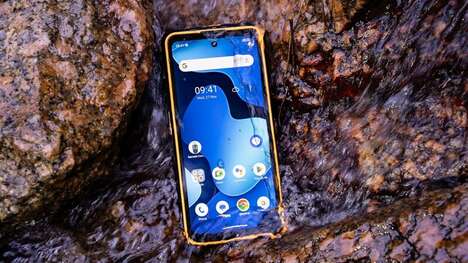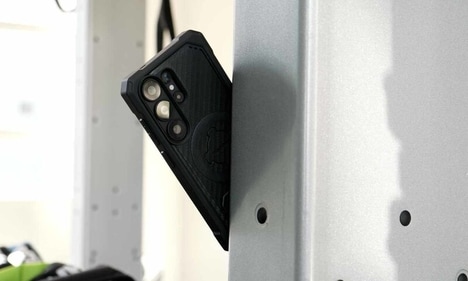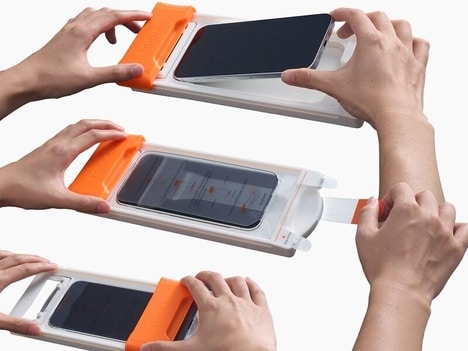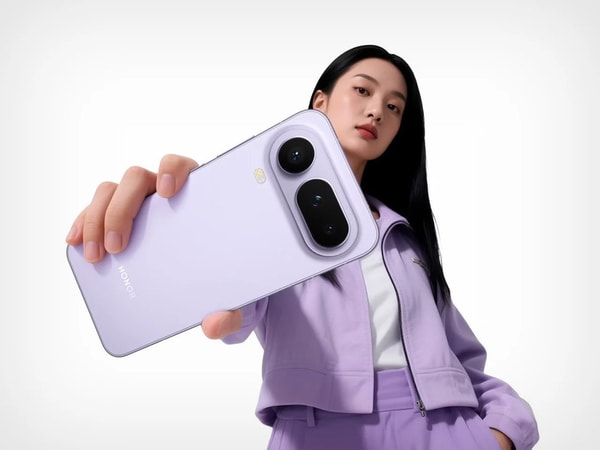

The Corning Gorilla Glass Ceramic 3 has been announced by the brand as its latest Gorilla Glass Ceramic material that's positioned as its toughest yet to maximize initial performance, but also keep longevity top-of-mind.
The material was observed by the brand to survive drops from more than two-meters onto concrete-like surfaces, which is reported by the brand to be most challenging of obstacles for mobile device glass. The glass reportedly survived at least 20 repeated drops onto asphalt-like surfaces to round it out as being great for surviving the rough and tumble of everyday consumer lifestyles.
Division Vice President & Business Technology Director Lori Hamilton commented on the Corning Gorilla Glass Ceramic 3 saying, "We engineer our materials with longevity in mind, not just initial performance. With our unparalleled expertise in glass and ceramic science, we built Gorilla Glass Ceramic 3 to provide consistent, reliable durability that holds up over time.”
Why This Trend Is Growing
- Longevity-centric Materials
- Extended durability of core materials creates opportunities for products designed around multi-year performance guarantees and reduced replacement cycles.
- Impact-resistant Consumer Devices
- The rise of glass that survives repeated high-impact drops supports a shift toward more ruggedized, premium consumer electronics with longer usable lifespans.
- Repeat-drop Validation Standards
- Standardizing repeated-impact testing raises prospects for new certification labels that communicate long-term durability to consumers and enterprise buyers.
Industries Being Reshaped
- Consumer Electronics
- Smartphone and laptop ecosystems stand to see lower warranty costs and extended device replacement cycles as a result of hyper-durable display materials.
- Automotive Manufacturing
- In-vehicle touch surfaces and instrument panels could be reimagined with ceramic-glass blends that sustain frequent mechanical stress and environmental exposure.
- Healthcare Wearables
- Medical wearable devices could achieve longer clinical deployment and improved patient safety through screens and housings that resist repeated impact and abrasion.