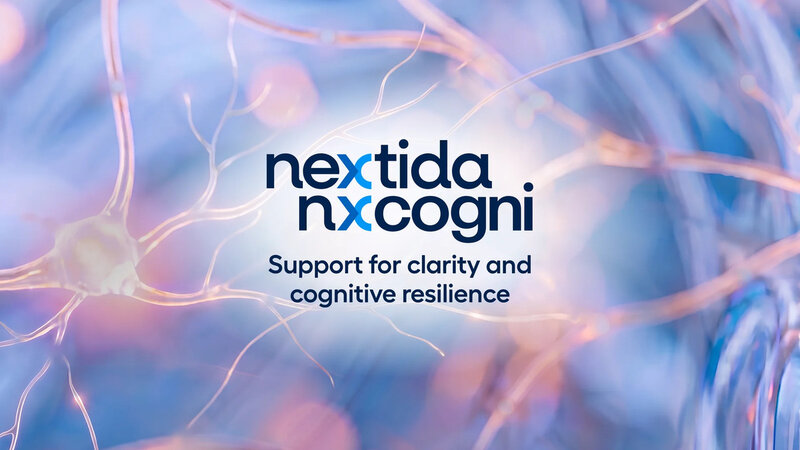
Darling Ingredients and Rousselot are introducing cognitive collagen peptides through Nextida NxCogni, a dietary supplement ingredient designed to support mental clarity and cognitive resilience without stimulants. Unlike conventional collagen products associated with other wellness benefits, this formulation targets neurological support through a specialized combination of peptides, which are small protein fragments.
The ingredient contains more than 10 neurosupportive peptides at concentrations exceeding 100 times those in standard hydrolyzed collagen. Its low-dose powder format allows supplement manufacturers to incorporate it into capsules and tablets. Human testing is scheduled to begin in December 2026, with two randomized controlled trials planned for early 2027.
By expanding collagen into cognitive wellness, Rousselot could create new product development opportunities for supplement brands seeking non-stimulant formulations. However, the ingredient's proposed cognitive benefits still require confirmation through the upcoming human clinical studies.
Image Credit: Nextida NxCogni
Why This Trend Is Growing
- Cognitive Collagen
- Specialized collagen peptides are extending the category beyond beauty and joint health into brain-support formulations for mental clarity and resilience.
- Non-stimulant Focus
- Stimulant-free cognitive supplements are creating space for daily-use products positioned around calm productivity and long-term cognitive wellness.
- Peptide Nutrition
- Targeted peptide blends with higher concentrations of functional fragments are reshaping supplement design through more precise bioactive ingredient profiles.
Industries Being Reshaped
- Dietary Supplements
- Supplement brands can differentiate with low-dose cognitive ingredients that fit capsules, tablets, and powder formats.
- Functional Ingredients
- Ingredient suppliers are finding new value in reengineering established inputs like collagen for emerging neurological wellness applications.
- Brain Health
- The brain health market is broadening as consumers seek clinically supported alternatives to caffeine-heavy nootropic products.