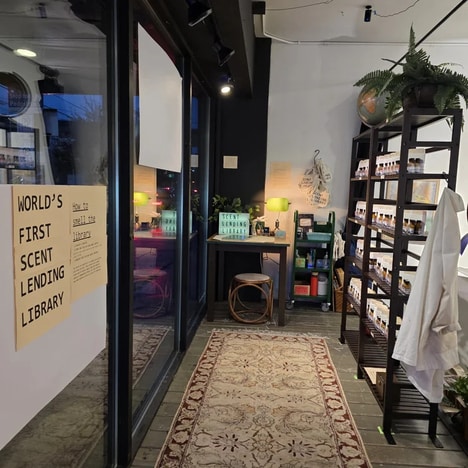
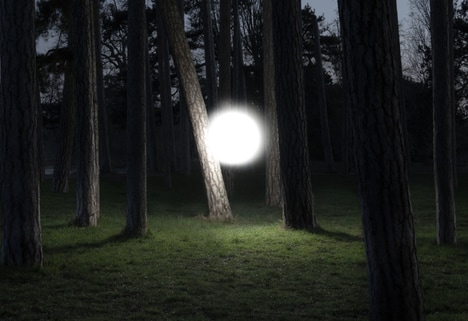
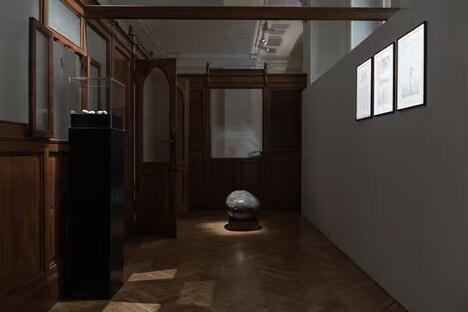
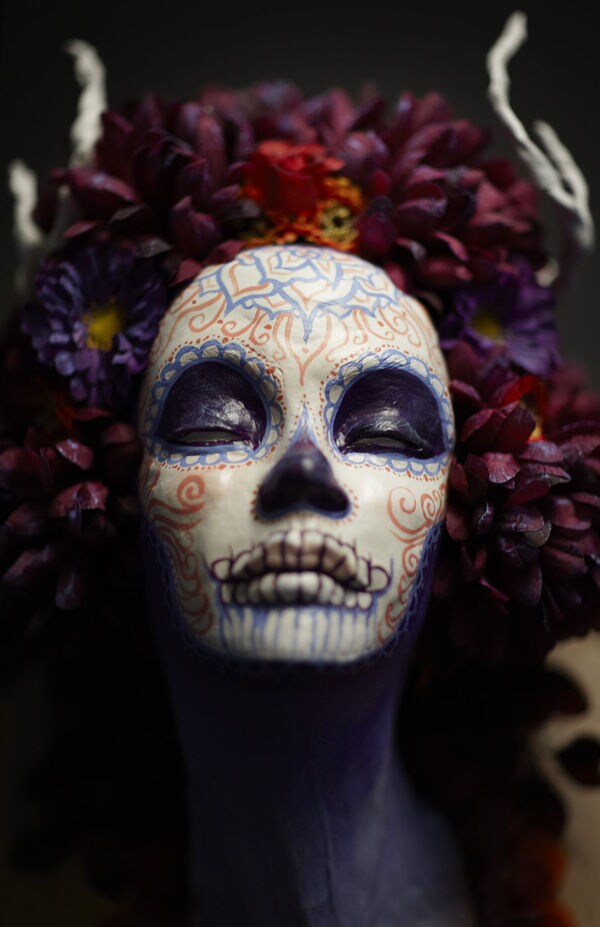
The Art of Scent is the latest Museum of Art and Design (MAD) exhibit, which uniquely relies on a person's sense of smell rather than sight or even touch. Despite what people may think, art mainly relies on one thing: emotion. Smell is often thought of as the strongest link to memories and feelings. Thus, the Art of Scent may not seem as odd an art exhibit as some may initially believe it to be.
Curated by Chandler Burr, the Art of Scent will focus on 12 works made between 1889 and 2012, including Ernest Beaux’s Chanel N° 5 from 1921, Jean-Claude Ellena’s Osmanthe Yunnan from 2006 and Daniela Andrier’s Untitled, which was created in 2010. A first of its kind, it will provide unprecedented insight into the intricate creation of each fragrance.
What's Driving This Trend
- Multi-sensory Exhibits
- The Art of Scent exhibit is an example of disrupting traditional sight and touch focused exhibits with multi-sensory experiences.
- Innovative Art Curation
- The curator Chandler Burr's use of scent adds a new dimension to traditional art curation, leading to similar opportunities for innovation.
- Scent-based Branding
- The exhibit provides insight into creating popular fragrances, potentially leading to further innovations in scent-based branding for industries such as beauty or fashion.
Who This Affects Most
- Art Exhibitions
- The Art of Scent exhibit could inspire future disruptions in the art exhibition industry with its use of multi-sensory experiences.
- Fragrance
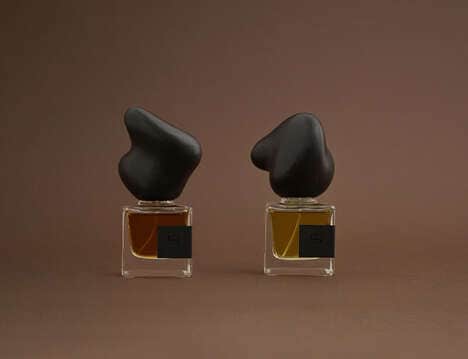
- The exhibit showcases the art and science behind crafting fragrances, leading to potential innovations in the fragrance industry such as creating multi-layered or personalized scents.
- Retail
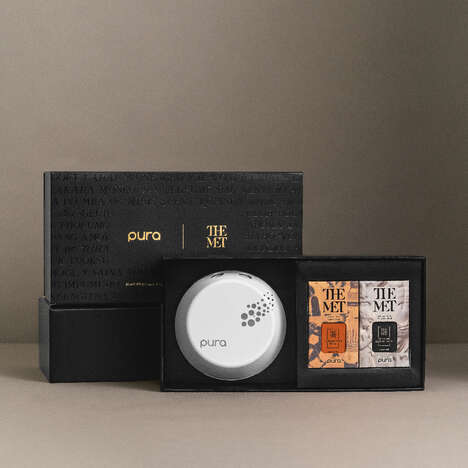
- The use of scent could lead to disruptive innovation in the retail industry, such as incorporating unique fragrances or scents to enhance the overall shopping experience.