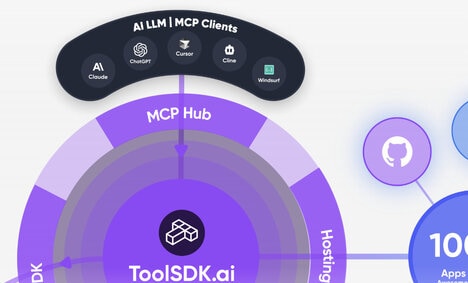
Okta introduced identity-scoped Model Context Protocol tool lists to reduce AI agent token overhead by returning only the tools an agent identity can use. The approach filters tool names, descriptions, parameters and schemas before prompts are built, while also applying a runtime authorization check before execution.
The capability maps MCP Server tools to OAuth scopes and uses configured permissions to determine which tools are visible to specific identities, including roles such as helpdesk operators and administrators. Okta said internal modeling using product data and public vendor documentation found scenarios where visible tools fell by more than 90%, with tool-schema token costs decreasing by roughly the same proportion. The company did not describe a live customer deployment.
For organizations, scoped tool lists combine least-privilege access with lower prompt overhead. Okta positioned identity-based filtering as complementary to gateway metering, helping prevent unnecessary token use before model calls occur.
Image Credit: Okta
What's Driving This Trend
- Identity-scoped AI Agents
- Role-based tool visibility creates room for more secure enterprise agent architectures that reduce unnecessary prompt exposure and align AI actions with least-privilege policies.
- Token-efficient Tool Discovery
- Filtering tool schemas before model calls signals a shift toward AI infrastructure that lowers compute costs by minimizing irrelevant context passed to agents.
- Authorization-aware MCP Servers
- Runtime permission checks embedded into Model Context Protocol workflows introduce new possibilities for governed agent ecosystems across regulated enterprise environments.
Who This Affects Most
- Identity and Access Management
- AI-specific permission mapping expands the IAM market beyond human access control into machine identity governance for autonomous software agents.
- Enterprise AI Infrastructure
- Context optimization and scoped tool access point to emerging platforms that combine cost control, security, and agent orchestration for business deployments.
- Cybersecurity Software
- Least-privilege enforcement for AI tool use strengthens security architectures by limiting agent capabilities before prompts are generated and actions are executed.